The short answer: most fragrance oils should not be applied directly to skin. Fragrance oils are concentrated aromatic compounds designed for candles, soaps, diffusers, and other non-skin applications. Unlike alcohol-based perfumes or skin-safe essential oils, fragrance oils typically lack the dilution, testing, and regulatory approval required for cosmetic use. Putting undiluted fragrance oil on your skin can lead to redness, rash, burns, or long-term sensitization that makes you allergic to certain scents.
If you want to wear fragrance on your body, use products specifically formulated for skin: eau de parfum, eau de toilette, cologne, or properly diluted essential oils in a carrier base. These have been tested, regulated, and designed to sit safely on skin without harm.
What Is Fragrance Oil and How Does It Differ from Perfume?
Fragrance oil is a blend of synthetic aroma chemicals, natural isolates, and sometimes essential oils, suspended in a carrier like dipropylene glycol or a light mineral oil. Manufacturers create fragrance oils for scenting candles, soaps, lotions, cleaning products, and air fresheners. They are not diluted to skin-safe levels and do not contain the alcohol or water base that perfumes use.
Perfume (eau de parfum, eau de toilette, cologne) is formulated specifically for skin. It uses a high percentage of alcohol to carry the fragrance, evaporate cleanly, and avoid leaving residue. Perfume houses test their formulas on human skin, comply with IFRA (International Fragrance Association) standards, and list allergens on the label. The concentration of aromatic compounds in a perfume is carefully balanced: typically 15-20% in eau de parfum, 5-15% in eau de toilette, and 2-5% in cologne.
Fragrance oils, by contrast, can be 100% concentrated aromatic material with no dilution. Applying that directly to skin is like pouring pure lemon juice on a cut—it is not designed for that use and the results can be painful.
Why Fragrance Oil Can Harm Your Skin
Undiluted fragrance oils pose several risks. First, they contain high concentrations of allergens like limonene, linalool, citral, and eugenol. These compounds are safe in small amounts but can trigger contact dermatitis or sensitization when used at full strength. Once you become sensitized to a molecule, even trace amounts in future products can cause a reaction.
Second, many fragrance oils use solvents and fixatives not approved for leave-on cosmetic use. Dipropylene glycol is common in fragrance oils for candles and soaps, but it is not the same as the alcohol or oil bases used in skin-safe perfumes. Applying it to skin can clog pores, cause irritation, or leave a greasy film that traps bacteria.
Third, fragrance oils are not pH-balanced or tested for skin compatibility. A formula that smells great in a candle may contain compounds that oxidize, degrade, or become irritating when exposed to body heat, sweat, and UV light. Perfume houses spend years testing stability and safety; fragrance oil manufacturers do not.
Finally, there is no ingredient transparency. A fragrance oil labeled "vanilla" or "sandalwood" does not tell you what is actually inside. It could contain dozens of unlisted chemicals, some of which are phototoxic (cause burns in sunlight) or comedogenic (clog pores). Without a full ingredient list and safety data, you are guessing.
What to Use Instead: Skin-Safe Fragrance Options
If you want to smell good, buy real perfume. Eau de parfum, eau de toilette, and cologne are all formulated for skin, widely available, and come in every scent profile imaginable. On Sniffy's marketplace, you can find bottles from houses like Creed, Dior, Chanel, and hundreds of niche brands at fair prices, with escrow protection on every sale. You can also browse decants if you want to try a scent before committing to a full bottle.
If you prefer natural options, look for essential oils diluted in a carrier oil like jojoba, fractionated coconut oil, or sweet almond oil. A safe dilution is typically 2-5%: for every teaspoon of carrier oil, add 2-5 drops of essential oil. Popular choices include lavender, sandalwood, bergamot, and frankincense. Always patch-test on your inner arm before applying to pulse points, and avoid phototoxic oils like bergamot or citrus if you will be in the sun.
Another option is fragrance-free lotion or unscented oil that you can scent yourself with a few drops of essential oil. This gives you control over concentration and lets you build a custom scent without the risk of undiluted fragrance oil. Just remember: less is more. Start with one drop per ounce of lotion and add more only if needed.
For collectors who want variety without spending hundreds per bottle, Sniffy's swap feature lets you trade bottles with other enthusiasts for a flat $5 fee plus a prepaid shipping label. You put down a small refundable deposit, both sides ship at the same time, and you get to try new scents without the cost of buying full retail.
How to Safely Dilute Fragrance Oil (If You Must)
If you already own fragrance oil and want to use it on skin, dilute it heavily and proceed with caution. Mix no more than 2-3 drops of fragrance oil per teaspoon (5 mL) of carrier oil or unscented lotion. This brings the concentration down to roughly 2-3%, closer to what you would find in a light cologne. Shake or stir thoroughly, then apply a tiny amount to your inner wrist or elbow and wait 24 hours. If you see redness, itching, or any reaction, do not use it.
Even diluted, fragrance oil is not the same as perfume. It may smell different on skin than in the bottle, it may not project or last as long, and it may still contain unlisted allergens. If you experience any discomfort, wash it off immediately with soap and water and discontinue use. Do not apply fragrance oil to broken skin, mucous membranes, or areas that will be exposed to sun without sunscreen.
Keep in mind that diluting fragrance oil at home does not make it cosmetic-grade. You are taking on the risk that the manufacturer did not. If you want a scent that is truly safe, tested, and designed for skin, buy a real perfume or a properly formulated essential oil blend from a reputable source.
When Fragrance Oil Is Appropriate
Fragrance oil has its place—just not on your skin. Use it in candles, wax melts, reed diffusers, room sprays, and unscented cleaning products. You can add a few drops to laundry detergent, vacuum bags, or drawer sachets. You can mix it into cold-process soap or lotion bases during manufacturing, where it will be diluted and combined with skin-safe ingredients before use.
If you make your own bath products, buy fragrance oils specifically labeled as "skin-safe" or "cosmetic-grade." These are formulated to IFRA standards, tested for skin compatibility, and sold with usage rate guidelines (typically 1-3% for leave-on products, up to 5% for rinse-off products). Even then, you must follow the recommended dilution and perform your own patch testing.
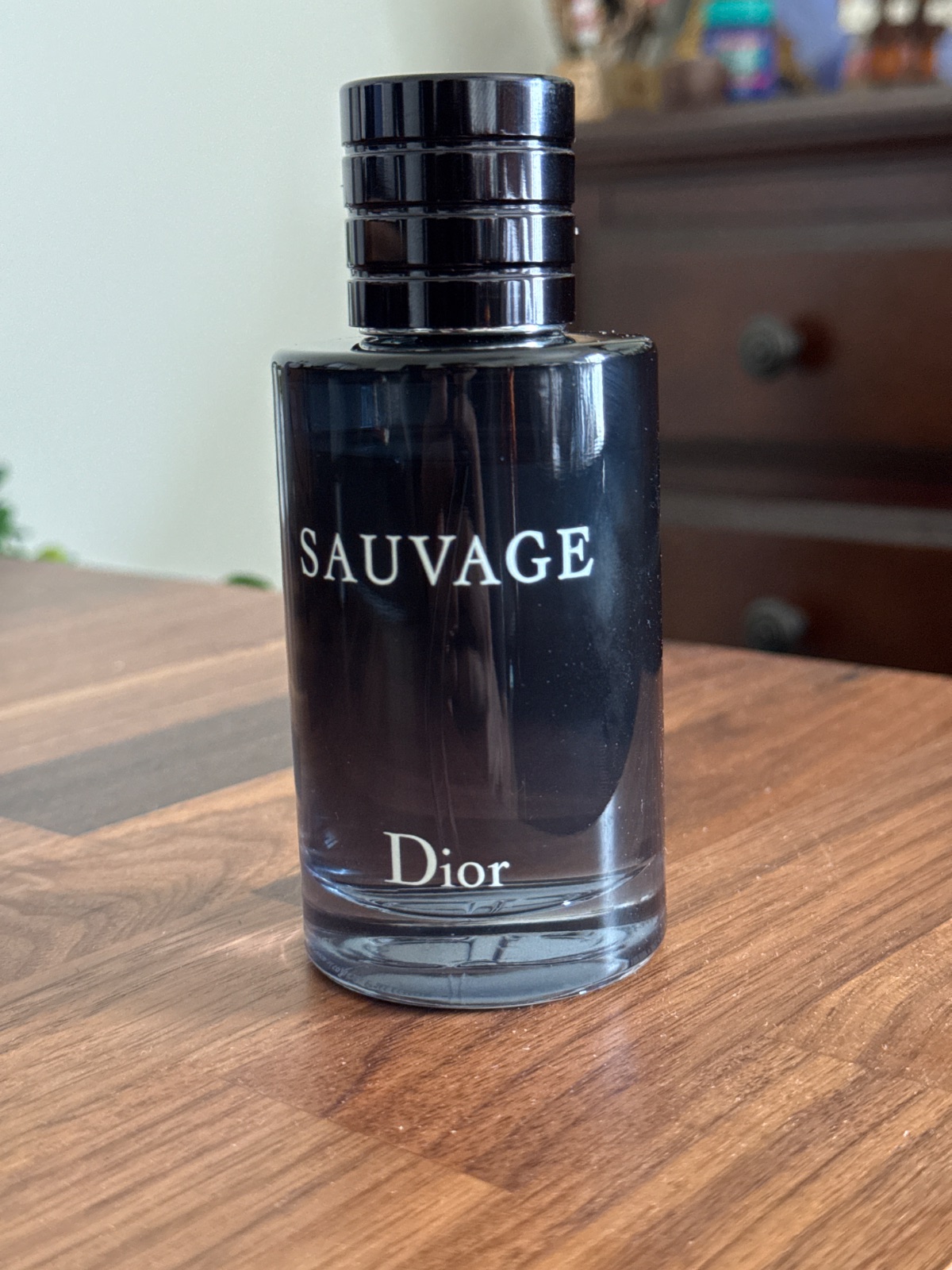
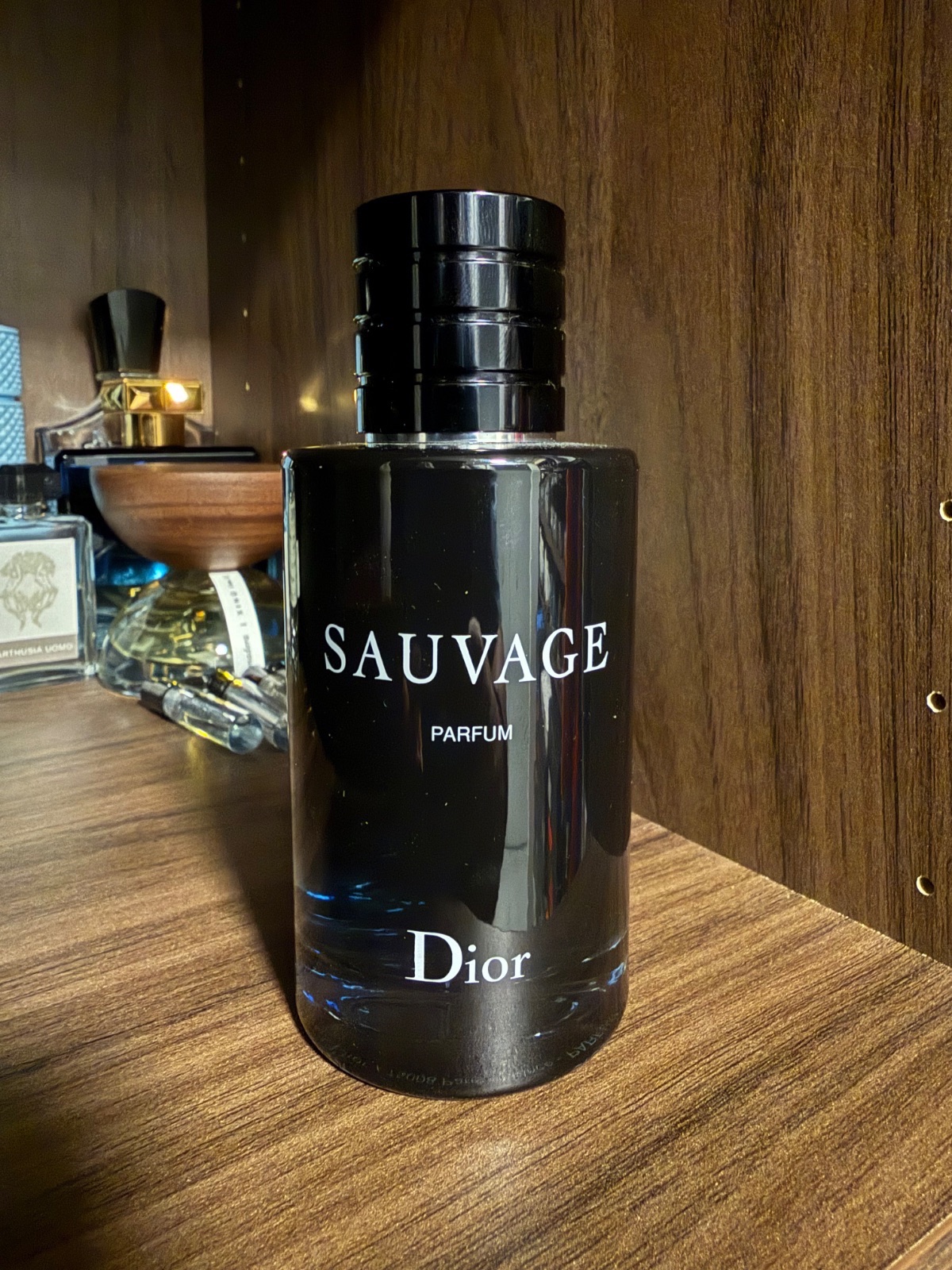
For wearing fragrance day to day, stick to products designed for that purpose. The perfume industry has spent over a century perfecting the art of making scents that smell good, last long, and do not harm skin. There is no reason to reinvent the wheel with untested fragrance oil when you can buy a decant of a classic like Creed Aventus, Dior Sauvage, or Chanel Bleu de Chanel for a fraction of the cost of a full bottle.
Sniffy's escrow-protected marketplace makes it easy to buy, sell, and swap bottles safely. Every cash sale is held in escrow until the buyer confirms the bottle matches the listing, and swaps use a flat-fee system with prepaid insured labels and refundable deposits. You can browse hundreds of bottles, check each seller's Trust Score, and shop with confidence knowing there is a Protection Fund backing every transaction.
Fragrances mentioned
Live on Sniffy right now
Escrow-protected listings that match this guide.
Questions people ask
Can I put fragrance oil directly on my skin?
No. Most fragrance oils are not formulated for skin and can cause irritation, allergic reactions, or sensitization. Use perfume, cologne, or diluted essential oils instead.
What is the difference between fragrance oil and perfume?
Fragrance oil is a concentrated blend for candles, soaps, and diffusers, often undiluted and not skin-tested. Perfume is alcohol-based, diluted to safe levels, and formulated specifically for skin.
How do I dilute fragrance oil for skin use?
Mix 2-3 drops per teaspoon of carrier oil or unscented lotion (about 2-3% concentration). Patch-test on your inner arm for 24 hours before applying to pulse points. This still carries risk—real perfume is safer.
Are there skin-safe fragrance oils?
Some fragrance oils are labeled cosmetic-grade or skin-safe and meet IFRA standards. These can be used in lotions or soaps at recommended dilution rates (typically 1-3% for leave-on products). Always follow usage guidelines and patch-test.
Where can I buy real perfume instead of fragrance oil?
Sniffy's peer-to-peer marketplace offers bottles and decants from hundreds of brands with escrow protection on every sale. You can also swap bottles with other collectors for a flat 5 fee plus prepaid shipping.
Trade bottles the safe way.
Sniffy is the fragrance marketplace built for trading: escrow on every deal, insured tracked shipping, trader Trust Scores, and bottle-for-bottle trades where the only money that moves is a refundable deposit, a $5 fee and your label at cost. Free to browse, free to list.
Prefer your phone? Get the Sniffy iOS app.