The short answer: a $3,000 fragrance is worth it if you prioritize rare natural materials, artisan craftsmanship, and exclusivity over mass appeal. You're paying for real oud, orris root aged five years, hand-harvested jasmine, and perfumers who spent decades mastering their craft. You're also paying for small-batch production, crystal bottles, and a name that signals serious collecting. But you can experience most of these fragrances for a fraction of the cost by buying pre-owned, swapping, or starting with decants.
What Drives a Fragrance to $3,000
At this price point, you're beyond designer and niche—you're in haute parfumerie. The cost breaks down into four areas: raw materials, concentration and longevity, production scale, and brand prestige. A 50ml bottle of Roja Parfums Enigma or Clive Christian No. 1 can run $2,500 to $4,000 retail. Here's what you're actually buying.
Raw materials: Natural oud oil costs $30,000 to $80,000 per kilogram. Real ambergris, Grasse jasmine, Bulgarian rose otto, and aged orris butter are similarly expensive. A $3,000 fragrance uses these in meaningful concentrations—5% to 15% of the formula—not trace amounts. Cheaper fragrances use synthetics or blends that mimic the profile but lack the depth and evolution.
Concentration and longevity: These bottles are often pure parfum (20% to 40% oil) or extrait strength. They project for hours and linger on skin for twelve to twenty-four hours. You use less per wear, so a 50ml bottle lasts longer than a 100ml eau de toilette you spray six times a day.
Small-batch production: Houses like Roja, Clive Christian, and Xerjoff's high-end lines produce hundreds of bottles per batch, not tens of thousands. Each is often filled, labeled, and inspected by hand. The per-unit cost is higher because they're not leveraging factory-scale economies.
Brand and exclusivity: You're also paying for heritage, a master perfumer's signature, and the social signal. Wearing Roja Elysium Parfum Cologne or Clive Christian X tells other collectors you're serious. That matters to some buyers and means nothing to others.
How $3,000 Fragrances Compare to $300 Bottles
A $300 niche fragrance—something from Maison Francis Kurkdjian, Parfums de Marly, or Initio—already uses quality materials and skilled perfumers. The jump to $3,000 is incremental, not transformational. You get rarer naturals, longer maceration, and more hand-finishing, but you don't get ten times the performance or complexity.
Blind-tested, most collectors can tell a $50 designer from a $300 niche. Fewer can reliably distinguish a $300 niche from a $3,000 haute parfum without knowing the name. The difference is real but subtle: deeper dry-downs, smoother transitions, more naturalistic textures. If you're chasing performance and compliments, a $300 bottle often delivers 90% of what the $3,000 one does.
Where the $3,000 bottle wins is in the experience of owning it—the weight of the crystal, the ritual of opening the box, the knowledge that you're wearing something rare. If that matters to you, the price makes sense. If you just want to smell great, it probably doesn't.
Should You Buy New or Pre-Owned at This Price
Buying a $3,000 bottle new guarantees authenticity and condition, but you take a steep depreciation hit. Most haute parfumerie loses 30% to 50% of retail value the moment it's sold, even if unused. A sealed 2025 Roja Enigma that retailed for $3,200 might sell for $1,800 to $2,200 on the secondary market a year later.
On Sniffy's marketplace, you'll find bottles in this range listed by collectors who bought them, wore them once or twice, and decided they preferred something else. Every sale is escrow-protected: you pay Sniffy, the seller ships, and the money is released only after you confirm the bottle matches the listing. If something is wrong, you open a dispute and the funds stay frozen until it's resolved. Sellers record packing videos and you can record an unboxing video on delivery, which settles most questions about condition.
Swaps are another option if you already own a high-value bottle you're willing to trade. You pay a flat $5 fee plus a prepaid insured shipping label, put down a small refundable deposit, and both sides ship at the same time. Deposits are returned when both confirm receipt. It's a way to rotate your collection without spending thousands in cash.
Before committing to a full bottle, try a decant. A 10ml sample of a $3,000 fragrance costs $60 to $100 and lets you wear it for two weeks. You'll know whether the dry-down justifies the price and whether you'll actually reach for it. Many collectors find that a fragrance they loved in the store becomes boring after a week of daily wear.
Which $3,000 Fragrances Are Actually Worth It
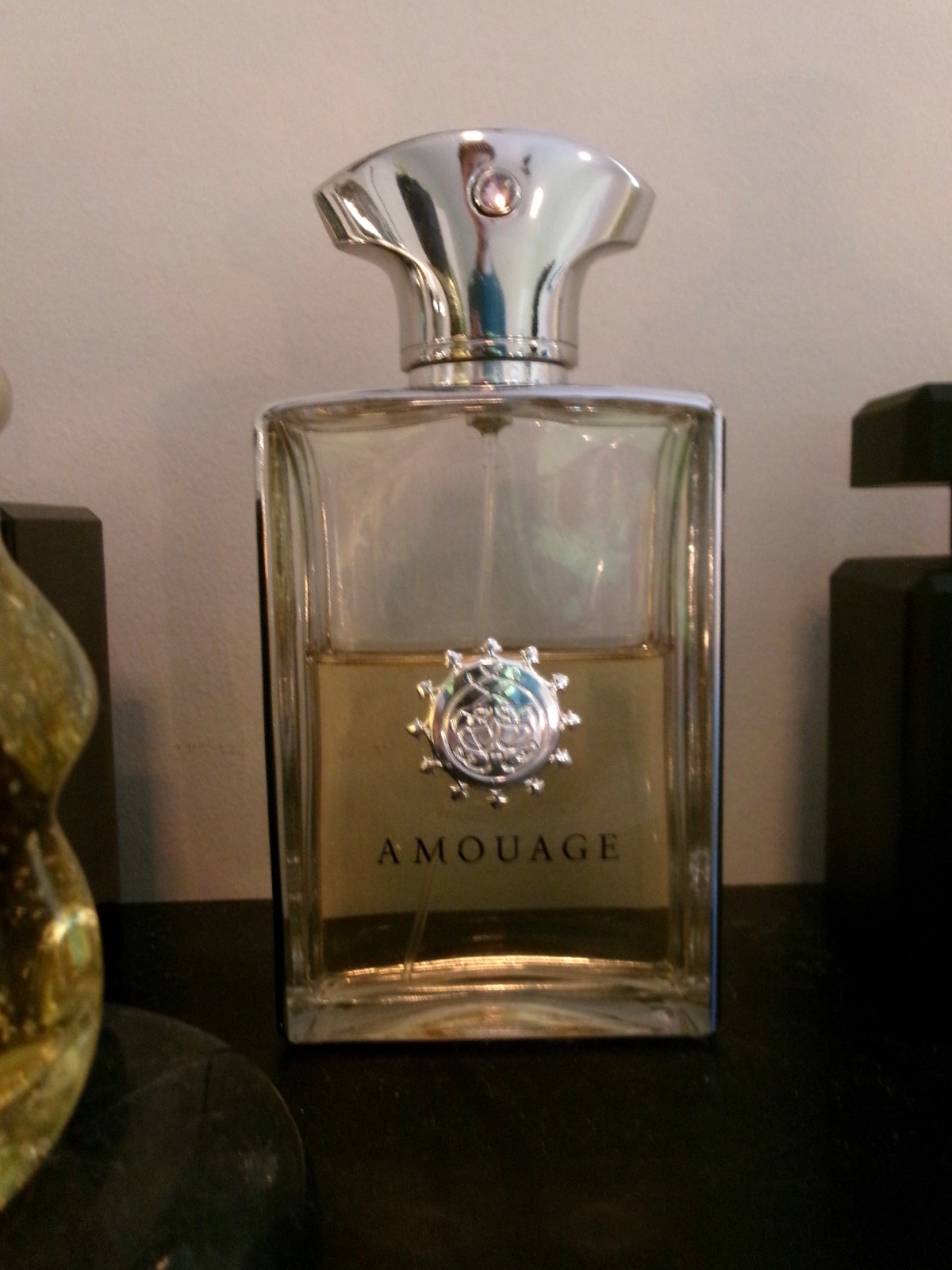
If you're going to spend this much, focus on fragrances that do something no cheaper bottle can replicate. Roja Dove's Enigma Parfum and Elysium Parfum Cologne are built around natural oud and aged woods that smell different from any synthetic. Clive Christian's No. 1 and X use Victorian-era formulas with real ambergris and orris that take years to source. Xerjoff's Oud Stars line and Amouage's high-concentration attars offer Middle Eastern perfumery traditions you won't find in Western niche houses.
Avoid fragrances at this price that are just repackaged niche formulas in expensive bottles. Some brands charge $3,000 for a crystal flacon and gold cap while the juice inside is comparable to a $400 competitor. Read reviews from collectors who've worn the fragrance for months, not just store testers. Check whether the house has a reputation for reformulation or whether older batches are considered superior—if so, you may be better off hunting a pre-2020 bottle on the secondary market.
Also consider whether you'll actually wear it. A $3,000 bottle that sits on a shelf because it's too precious to use is a bad investment. If you're buying it to wear, make sure it fits your lifestyle and climate. A heavy oud parfum is wasted in a Florida summer, and a delicate floral extrait disappears in a New York winter.
How to Verify Authenticity at This Price Point
Counterfeits exist even at $3,000, though they're less common than fakes of popular $200 designers. Check the batch code against the brand's official records—most haute parfumerie houses will verify a code if you email them. Inspect the bottle for clean engraving, perfect label alignment, and flawless cap threading. Real Roja bottles have a specific weight and the atomizer has a smooth, controlled spray. Clive Christian uses a crown cap with precise detailing that fakes rarely replicate well.
Buy from sellers with a strong Trust Score and completed deals on Sniffy. Every account has a public score built from verified transactions, and sellers can be verified through additional checks. If a deal feels off—price too low, vague photos, reluctance to provide batch codes—walk away. At $3,000, you have room to be picky.
When the bottle arrives, compare it against official photos from the brand's website and unboxing videos from reputable reviewers. Smell it next to a sample from an authorized retailer if possible. High-end counterfeits can look perfect but the juice smells flat or overly synthetic. If you're unsure, most brands will authenticate a bottle if you send them clear photos of the batch code, bottle, and box.
The Bottom Line: When $3,000 Makes Sense
A $3,000 fragrance is worth it if you're a serious collector who values rarity, craftsmanship, and the experience of owning something exceptional. It's not worth it if you're chasing compliments, trying to impress others, or expecting a fragrance that smells ten times better than a $300 bottle. The difference is real but incremental, and most of that difference comes from materials and production methods only other collectors will appreciate.
If you want to explore this tier, start with decants, buy pre-owned to avoid depreciation, and focus on fragrances that use materials no cheaper alternative can match. Use Sniffy's escrow protection and swap system to rotate high-value bottles without tying up thousands in cash. And remember: the best fragrance is the one you'll actually wear, not the one with the highest price tag.
Fragrances mentioned
Live on Sniffy right now
Escrow-protected listings that match this guide.
Questions people ask
What makes a perfume cost 3,000?
Rare natural materials like real oud and aged orris, high concentrations of perfume oil (20% to 40%), small-batch production, and brand prestige. You're paying for ingredients that cost tens of thousands per kilogram and master perfumers with decades of experience.
Is a 3,000 fragrance ten times better than a 300 one?
No. The difference is real but incremental—deeper dry-downs, rarer naturals, smoother evolution. Blind-tested, most people can't reliably tell them apart. You're paying for craftsmanship and exclusivity, not a tenfold jump in quality.
Should I buy a 3,000 bottle new or used?
Used saves 30% to 50% and still gets you the same fragrance. On Sniffy, every sale is escrow-protected and sellers record packing videos. You can also try decants first or swap a bottle you already own to avoid spending cash.
How do I know a 3,000 bottle is real?
Check the batch code with the brand, inspect engraving and label alignment, and buy from sellers with strong Trust Scores. Compare the bottle and smell against official samples. High-end counterfeits exist but are less common than fakes of cheaper fragrances.
Which 3,000 fragrances are actually worth it?
Focus on bottles that use materials no cheaper option can replicate: Roja Dove's Enigma and Elysium for natural oud, Clive Christian No. 1 for real ambergris and orris, Xerjoff Oud Stars and Amouage attars for traditional Middle Eastern perfumery. Avoid repackaged niche formulas in expensive bottles.
Trade bottles the safe way.
Sniffy is the fragrance marketplace built for trading: escrow on every deal, insured tracked shipping, trader Trust Scores, and bottle-for-bottle trades where the only money that moves is a refundable deposit, a $5 fee and your label at cost. Free to browse, free to list.
Prefer your phone? Get the Sniffy iOS app.