If you've seen "tester" bottles listed at lower prices and wondered whether they're legitimate, the short answer is yes. Testers are genuine products made by the same house, filled with the same juice, and sold through authorized channels. The difference is purely cosmetic: testers are made for in-store display and sampling, so they skip the fancy outer box, decorative cap, or cellophane wrap. You get the same scent for less money because you're not paying for retail packaging.
Understanding what you're buying—and what to check—helps you avoid fakes and get better value whether you're shopping locally or on a peer-to-peer marketplace like Sniffy.
What Is a Tester Bottle?
A tester is a full-size bottle produced by the brand specifically for department stores, boutiques, and authorized retailers to use on the sales floor. Customers spray it, try it on skin, and decide whether to buy. Because the tester sits on a counter all day, it doesn't need a decorative outer box or a fancy cap—those would just get lost or damaged. Most testers come in plain cardboard or no box at all, often with "tester" or "demonstration" printed on the bottle or a sticker on the bottom.
The liquid inside is identical to what's in the retail bottle. Same formula, same batch process, same quality control. The house fills tester bottles and retail bottles from the same production run. The only difference is the packaging and presentation.
Key Differences Between Tester and Retail Bottles
Here's what actually changes when you buy a tester:
- Outer box: Retail bottles come in a printed, branded box with magnetic closures, embossing, or decorative inserts. Testers usually arrive in a plain white or brown cardboard sleeve, or no box at all.
- Cap: Many testers have a simple plastic cap instead of the metal, wood, or decorative cap that comes with the retail version. Some high-end testers do include the full cap, but it's not guaranteed.
- Cellophane: Retail bottles are shrink-wrapped. Testers are not.
- Labels and markings: Testers often have "Not for Sale," "Tester," or "Demonstration" printed on the bottle, box, or a sticker. This is normal and does not mean the product is defective.
- Bottle size and design: The glass bottle itself is usually identical in shape, size, and printing. A 100ml tester of Creed Aventus is the same 100ml bottle as the retail version, just without the fancy cap and box.
None of these differences affect the fragrance. If you care about display, gifting, or resale value, the retail packaging matters. If you only care about wearing the scent, a tester is a smarter buy.
Are Testers Cheaper? How Much Can You Save?
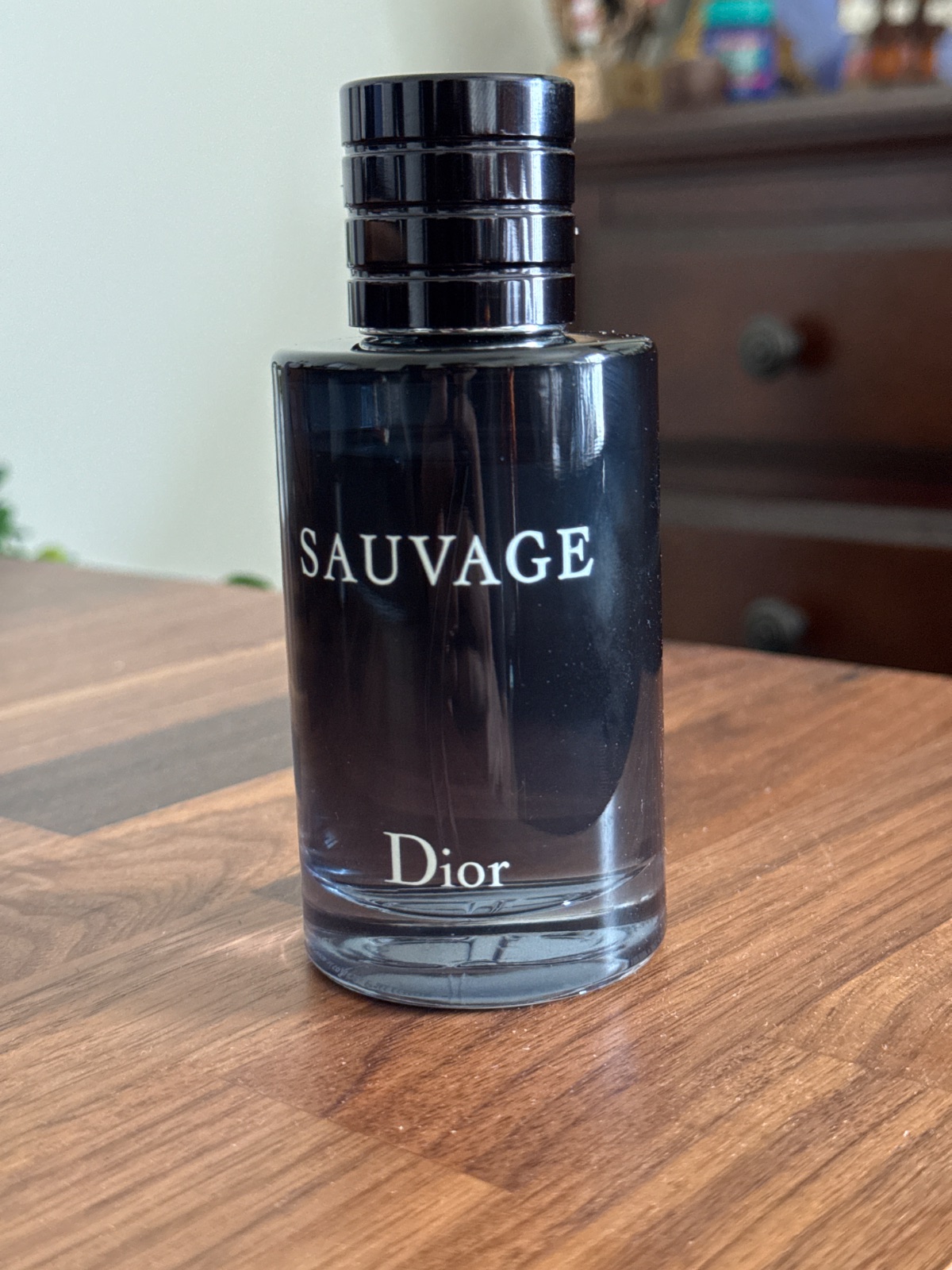
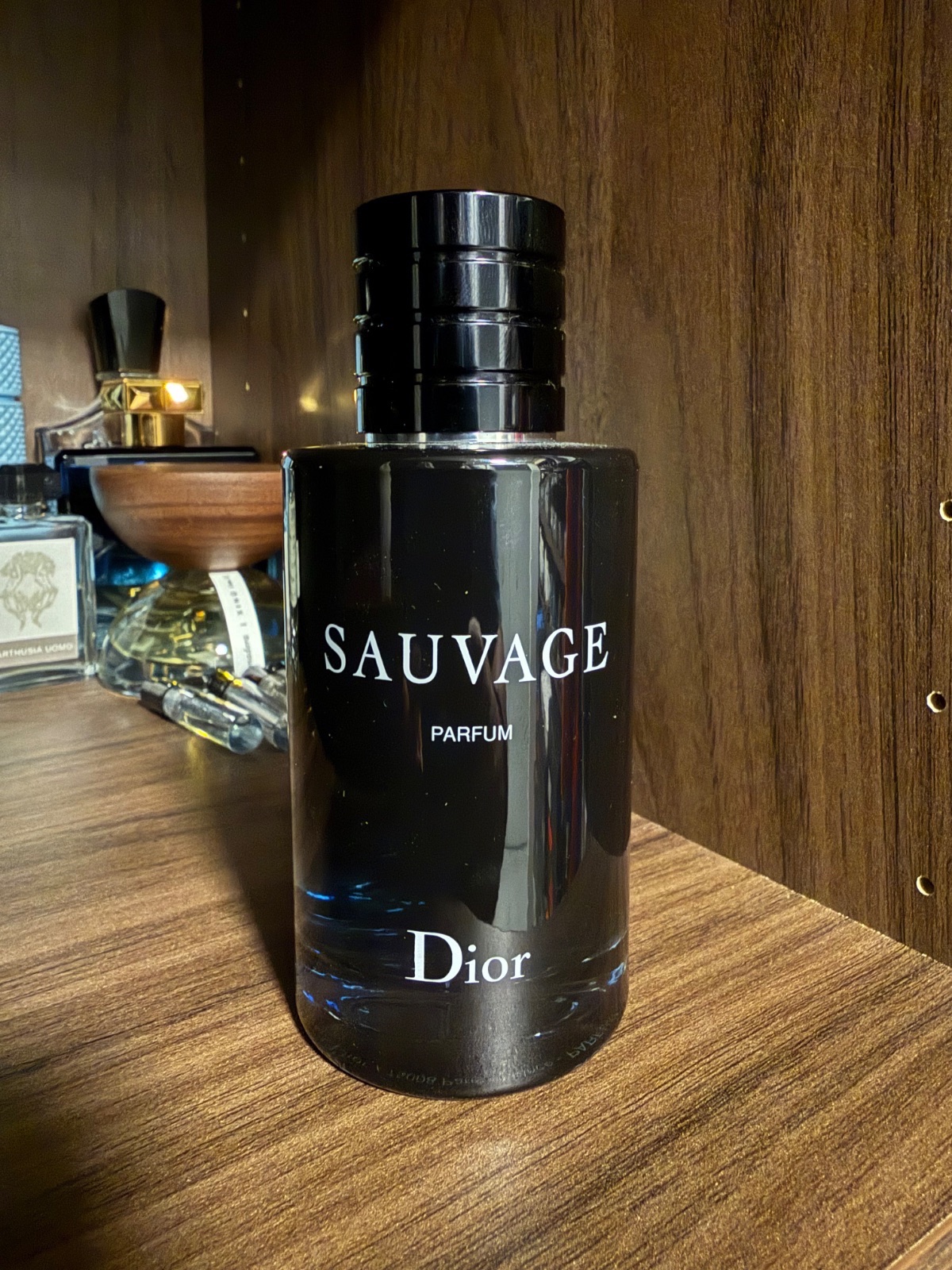
Testers typically sell for 20–40% less than retail bottles when bought from discounters or peer-to-peer platforms. The exact discount depends on the brand, size, and where you buy. A retail 100ml bottle of Dior Sauvage might list for $150, while a tester of the same size sells for $100–$120. For niche and luxury houses like Maison Francis Kurkdjian or Parfums de Marly, the savings can be $50–$100 per bottle.
On Sniffy, you'll see both testers and retail bottles listed by collectors. Because every sale is escrow-protected, you pay Sniffy first, the seller ships, and the money is released only after you confirm the bottle matches the listing. If a seller lists a tester as retail or misrepresents the packaging, you open a dispute and the funds stay frozen until it's resolved. This removes the risk of buying a tester when you expected a full retail presentation.
How to Verify a Tester Is Authentic
Testers are real products, but counterfeiters also print "tester" on fake bottles to explain away missing boxes or cheap caps. Here's what to check:
- Batch code: Every legitimate tester has a batch code stamped or printed on the bottom of the bottle or on the box. Use a batch code checker (checkfresh.com or checkcosmetic.net) to verify the production date. If the code doesn't exist or returns an error, it's likely fake.
- Bottle quality: Authentic testers use the same glass, printing, and atomizer as retail bottles. Check for crisp logo printing, smooth glass with no bubbles, and a clean spray mechanism. Fakes often have blurry text, rough seams, or a spray that sputters.
- Smell test: If you know the fragrance, compare the tester to a sample or a retail bottle. Fakes smell off—thinner, sharper, or missing key notes. If you're buying blind, ask the seller for a small spray sample first.
- Seller reputation: On Sniffy, every account has a public Trust Score built from completed deals. Sellers with dozens of successful sales and verified status are far less likely to sell fakes. If a deal seems too good (a $300 niche tester for $80), ask questions and request photos of the batch code, atomizer, and any markings.
- Unboxing video: Sniffy lets sellers record a packing video and buyers can record an unboxing video on delivery. If you're buying a high-value tester, request or offer this step. It settles most disputes and protects both sides.
If you're unsure, buy a small decant first. Sniffy's decant marketplace lets you try 5ml or 10ml of a fragrance before committing to a full bottle, tester or retail.
When to Buy a Tester vs a Retail Bottle
Choose a tester if you're buying for yourself, you don't care about the box, and you want to save money. Testers are ideal for daily wearers, collectors who decant into travel atomizers, or anyone building a rotation on a budget. A tester of Tom Ford Tobacco Vanille or MFK Baccarat Rouge 540 gives you the same scent experience for $50–$100 less.
Choose a retail bottle if you're giving a gift, you want the full unboxing experience, or you plan to resell the bottle later. Retail packaging holds value better on the secondary market. If you're swapping bottles on Sniffy's swap platform, a retail presentation can make your listing more attractive, though many collectors swap testers without issue as long as the condition is clearly described.
For expensive niche bottles, buying a tester and keeping the money you save for another bottle or decants is often the smarter play. For everyday designers like Versace Eros or YSL Y, the retail vs tester price gap is smaller, so it comes down to personal preference.
Selling or Swapping Testers on Sniffy
If you're listing a tester on Sniffy, be clear in the title and description: "100ml tester, no box, plain cap." Upload photos showing the batch code, the "tester" marking, and the bottle condition. Honest listings sell faster and avoid disputes. Sniffy charges a 10% fee only when the sale completes, so listing a tester costs nothing upfront.
For swaps, testers are common and accepted as long as both sides know what they're trading. Each person pays a flat $5 fee plus a prepaid insured shipping label, and both ship at the same time. If someone offers a retail bottle and you're offering a tester, mention it in your swap proposal so there's no confusion on arrival.
Testers hold their value well in the collector community because experienced buyers know the juice is identical. A tester of Creed Green Irish Tweed or Parfums de Marly Layton will move quickly at a fair price, especially if the bottle is full and the condition is accurately described.
Fragrances mentioned
Live on Sniffy right now
Escrow-protected listings that match this guide.
Questions people ask
Is the fragrance in a tester bottle the same as a retail bottle?
Yes. Tester bottles and retail bottles are filled with identical fragrance from the same production batch. The only difference is the packaging.
Why are testers cheaper than retail bottles?
Testers cost less because they skip the decorative outer box, fancy cap, and cellophane wrap. You're paying only for the fragrance, not the presentation.
Can I sell or swap a tester bottle on Sniffy?
Yes. Testers are common on Sniffy. Just describe the item accurately (no box, plain cap, tester marking) and upload clear photos. Escrow protection applies to all sales.
How do I know a tester is authentic and not fake?
Check the batch code on the bottle, inspect the glass and printing quality, and verify the seller's Trust Score. Authentic testers have the same bottle quality as retail versions.
Do testers come with a cap?
Most testers include a simple plastic cap, but some may have the full decorative cap. Check the listing photos or ask the seller before buying.
Trade bottles the safe way.
Sniffy is the fragrance marketplace built for trading: escrow on every deal, insured tracked shipping, trader Trust Scores, and bottle-for-bottle trades where the only money that moves is a refundable deposit, a $5 fee and your label at cost. Free to browse, free to list.
Prefer your phone? Get the Sniffy iOS app.