Testers are the bottles you spray at department store counters. They contain the identical fragrance formula, concentration, and batch quality as the boxed retail version. The only differences are packaging and price. Testers typically come in plain cardboard boxes (or no box at all), often lack decorative caps, and may have "tester" or "demonstration" printed on the bottle or box. The liquid inside is unchanged.
Many collectors prefer testers because they cost 20–40% less than retail while delivering the same scent. On Sniffy, you'll find both testers and retail bottles listed side by side—escrow protection applies equally to both, and sellers must disclose tester status in the listing title and description.
What Makes a Bottle a Tester
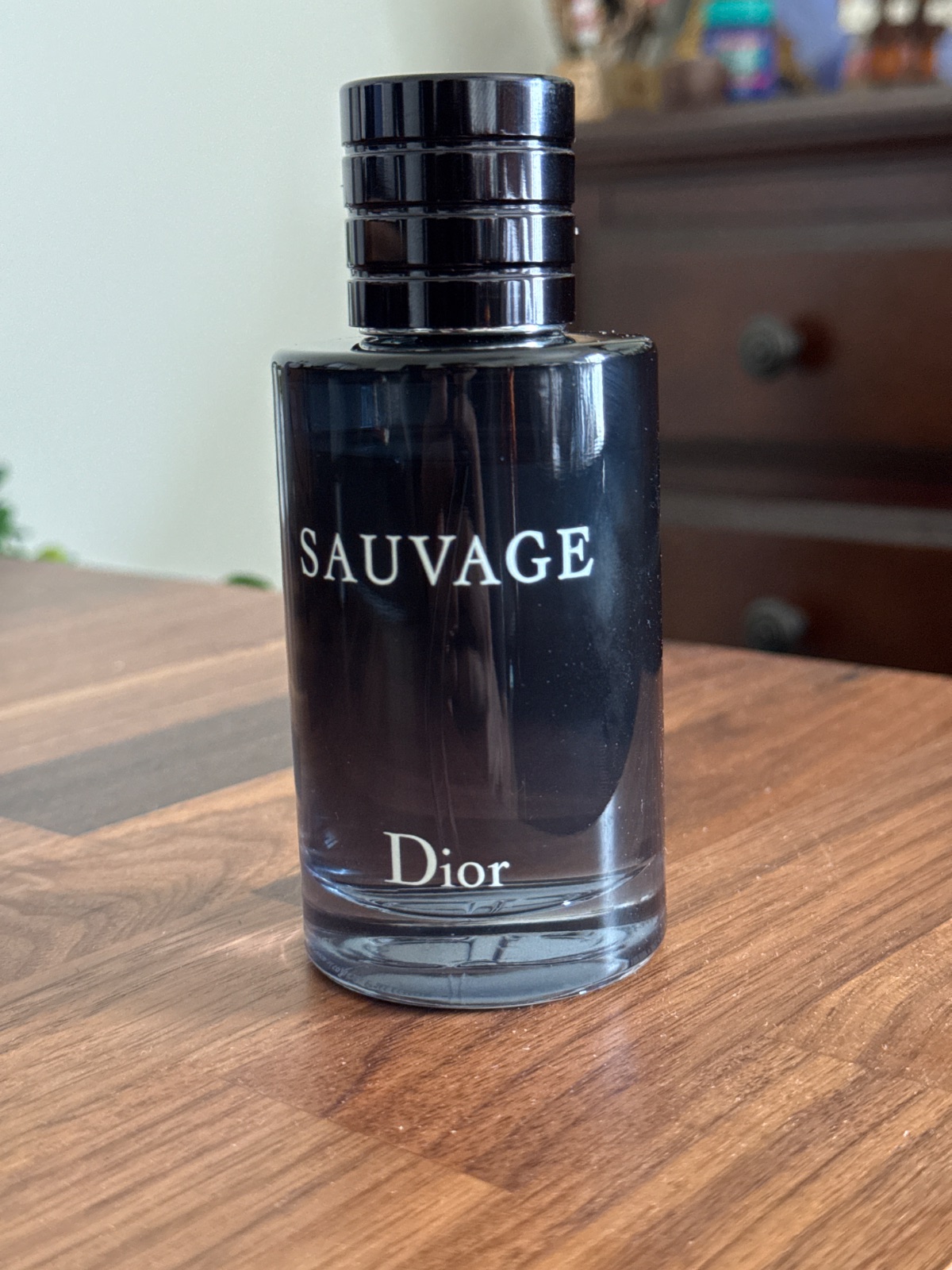
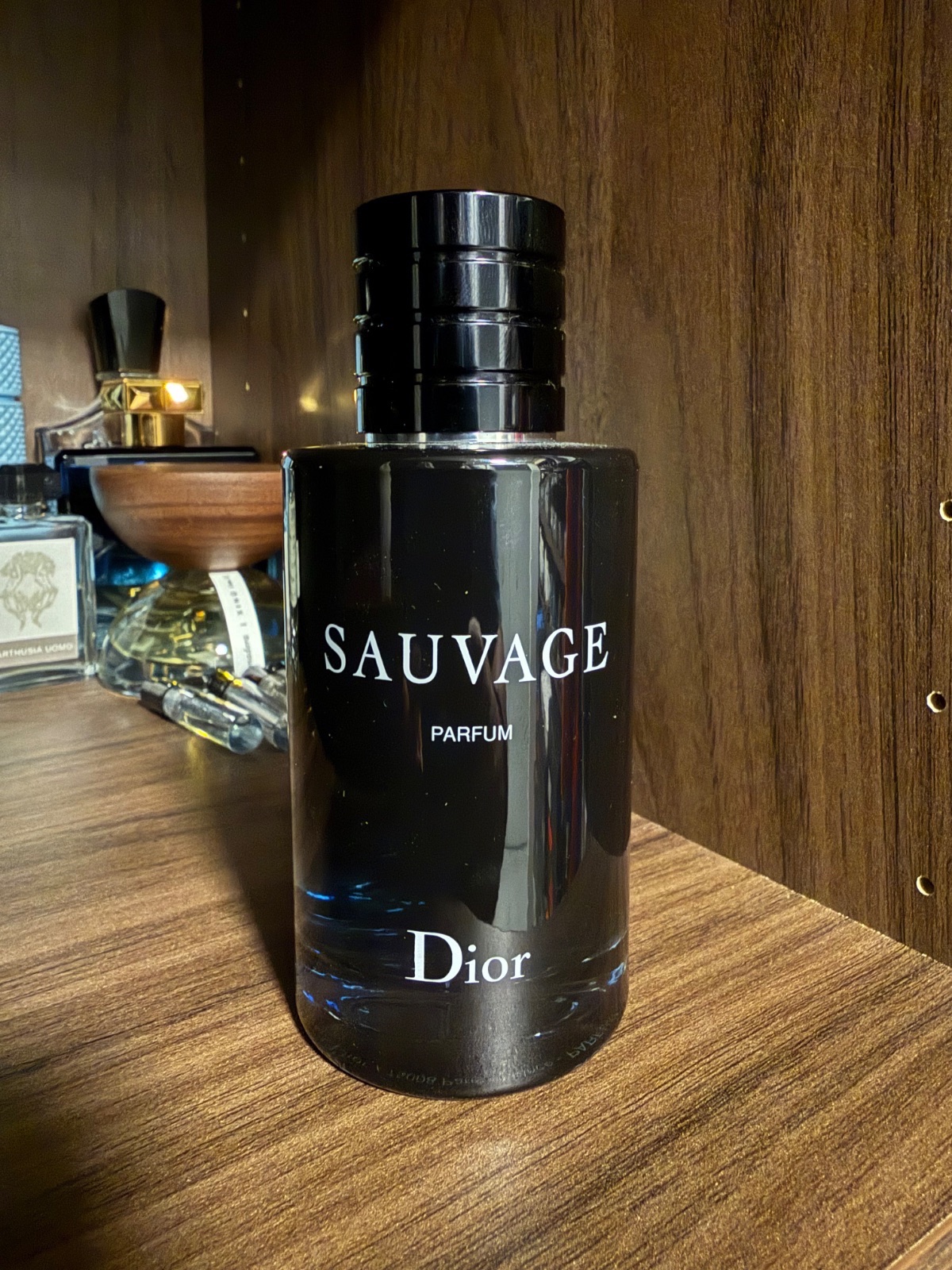
Brands produce testers specifically for in-store sampling. A tester of Creed Aventus or Dior Sauvage ships from the same production line as the retail version, filled from the same vats, on the same day. The differences are purely cosmetic:
- Box: Plain white or brown cardboard, sometimes no box at all. Retail bottles come in branded, decorative boxes with inserts and cellophane.
- Cap: Testers may have a simple plastic cap or no cap—stores don't need fancy magnetic closures for counter display.
- Labels: "Tester," "Demonstration," "Not for Sale," or similar text printed on the bottle, box, or a sticker.
- Accessories: No outer cellophane, no ribbons, no sample vials or promotional inserts.
The atomizer, spray mechanism, and glass bottle are identical. Batch codes, barcodes, and production dates appear on both testers and retail bottles. If you decant 5ml from a tester and 5ml from a retail bottle of the same fragrance and batch, you cannot tell them apart by smell or performance.
Why Testers Cost Less
Testers sell for less because you're not paying for the branded box, decorative cap, or retail markup. Department stores receive testers free or at steep discounts to encourage sampling. When those testers leave the store—through liquidation, overstock sales, or gray-market channels—they enter the secondary market at lower prices. A retail Bleu de Chanel EDP might list for $150; the tester version often appears for $90–$110.
This price gap makes testers popular with collectors who care about the juice, not the presentation. If you're buying a bottle to wear, not to display on a shelf or give as a gift, a tester delivers the same experience for less money. On Sniffy, sellers list testers at fair market rates, and buyers can compare tester and retail prices side by side before committing.
How to Spot a Fake Tester
Counterfeiters sometimes label fake bottles as testers to explain away missing boxes or cheap caps. A real tester has all the quality markers of an authentic bottle—just without the fancy packaging. Check these details:
- Batch code: Every legitimate tester has a batch code stamped or printed on the bottle or box. Use CheckFresh or similar tools to verify the code matches the brand and fragrance. If there's no batch code, or the code doesn't check out, walk away.
- Bottle quality: Real testers use the same glass, atomizer, and printing as retail bottles. Look for clean edges, straight labels, crisp text, and a smooth spray mechanism. Fakes often have crooked labels, rough seams, or sputtering sprayers.
- Liquid color and clarity: Compare the color to known samples of the same fragrance. Fakes may be too light, too dark, or cloudy. Real Tom Ford Tobacco Vanille is a deep amber; a pale yellow tester is suspect.
- Scent accuracy: If you know the fragrance, trust your nose. Testers smell identical to retail bottles. If the opening, heart, or dry-down is off, it's not a tester—it's a fake.
- Seller reputation: On Sniffy, every seller has a public Trust Score built from completed deals. Check the score, read past buyer feedback, and look for verification badges. Scammers don't build long track records of successful sales.
When you buy a tester on Sniffy, the escrow system holds your payment until you confirm the bottle is authentic and matches the listing. If the tester turns out to be fake, you open a dispute, return the bottle, and get your money back. The seller's deposit and reputation are on the line, which discourages fraud.
Testers in the Collector Market
Experienced collectors treat testers as equals to retail bottles when it comes to wearing and swapping. A tester of Baccarat Rouge 540 or Parfums de Marly Layton performs identically to the boxed version, so many traders prefer testers to maximize their budget. You'll see testers listed for sale and for swap on Sniffy—swaps work the same way whether you're trading testers, retail bottles, or a mix of both. Each side pays a flat $5 fee, gets a prepaid insured shipping label, and puts down a small refundable deposit. Both bottles ship at the same time, and deposits return when both parties confirm receipt.
Some collectors avoid testers for reasons unrelated to the fragrance: they want the full unboxing experience, they plan to resell later and know retail bottles command higher prices, or they're buying a gift. Those are valid preferences, but they're about presentation and resale value, not scent quality. If your goal is to smell great and stretch your budget, testers are a smart choice.
Buying Testers on Sniffy
Sniffy's marketplace includes hundreds of testers alongside retail bottles. Sellers must clearly mark tester status in the listing title and description, and upload photos showing the bottle, box (if any), and any "tester" labels. Buyers can filter listings, compare prices, and review seller Trust Scores before purchasing. Every cash sale is escrow-protected: you pay Sniffy, the seller ships using a prepaid insured label generated inside the platform, and the money releases only after you confirm the tester is authentic and as described. If something is wrong, you open a dispute and the funds stay frozen until the issue is resolved.
Sellers pay a 10% fee only when a sale completes—listing is free. This keeps prices competitive and ensures sellers have skin in the game. Testers often move quickly because they offer the best value per milliliter. If you're hunting for a specific fragrance and see a tester listed at a fair price from a verified seller with a strong Trust Score, you're looking at a legitimate deal on the same juice you'd get at the counter, just without the box.
Fragrances mentioned
Live on Sniffy right now
Escrow-protected listings that match this guide.
Questions people ask
Is the fragrance in a tester bottle different from the retail version?
No. Testers contain the exact same fragrance formula, concentration, and quality as retail bottles. The only differences are packaging—plain boxes, simple caps, and tester labels—not the liquid inside.
Why do testers cost less if they're the same fragrance?
Testers cost less because you're not paying for the branded box, decorative cap, or retail markup. Stores receive testers for display, and when they enter the resale market, they sell at 20–40% below retail prices.
How can I tell if a tester is authentic?
Check the batch code, inspect bottle quality (glass, atomizer, labels), compare liquid color to known samples, and trust your nose. On Sniffy, verify the seller's Trust Score and use escrow protection to ensure the tester matches the listing before money is released.
Can I swap a tester bottle on Sniffy?
Yes. Testers are eligible for swaps just like retail bottles. Each side pays a 5 fee, gets a prepaid insured shipping label, and puts down a refundable deposit. Both bottles ship at the same time, and deposits return when both parties confirm receipt.
Are testers worth buying for collectors?
Absolutely, if you care about the fragrance more than the packaging. Testers deliver the same scent and performance at a lower price, making them popular with collectors who want to maximize their budget and wear the juice, not display the box.
Trade bottles the safe way.
Sniffy is the fragrance marketplace built for trading: escrow on every deal, insured tracked shipping, trader Trust Scores, and bottle-for-bottle trades where the only money that moves is a refundable deposit, a $5 fee and your label at cost. Free to browse, free to list.
Prefer your phone? Get the Sniffy iOS app.