If you're looking to sell bottles from your collection or wondering which fragrances hold value, understanding what actually sells helps you make smarter decisions. The top-selling fragrance oils in the collector market aren't always the newest releases or the most hyped launches—they're the bottles that combine wearability, brand reputation, and either limited availability or proven staying power.
This guide breaks down what drives sales in the peer-to-peer fragrance market, which categories move fastest, and how to position your own bottles when it's time to sell or swap.
What Makes a Fragrance Oil Sell Quickly
Fast-selling bottles share a few characteristics. First, they're recognizable: fragrances from houses like Creed, Maison Francis Kurkdjian, Dior, and Parfums de Marly consistently attract buyers because people know the names and trust the quality. Second, they're versatile enough to wear year-round or in multiple settings—office-safe powerhouses and crowd-pleasers move faster than niche experimental scents. Third, they're either discontinued, hard to find at retail, or priced high enough that buying pre-owned makes financial sense.
Bottles in the $150–$400 retail range tend to sell well on the secondary market because buyers save 20–40% compared to department store prices, and sellers recoup a meaningful portion of what they paid. Decants of expensive fragrances also sell quickly, letting buyers test before committing to a full bottle.
Condition matters: full presentation boxes, high fill levels (75% or more), and clear photos showing batch codes and fill lines all help a listing move. On Sniffy, every sale is escrow-protected, so buyers feel confident purchasing from individual collectors, and verified sellers with strong Trust Scores close deals faster.
Categories That Dominate Sales
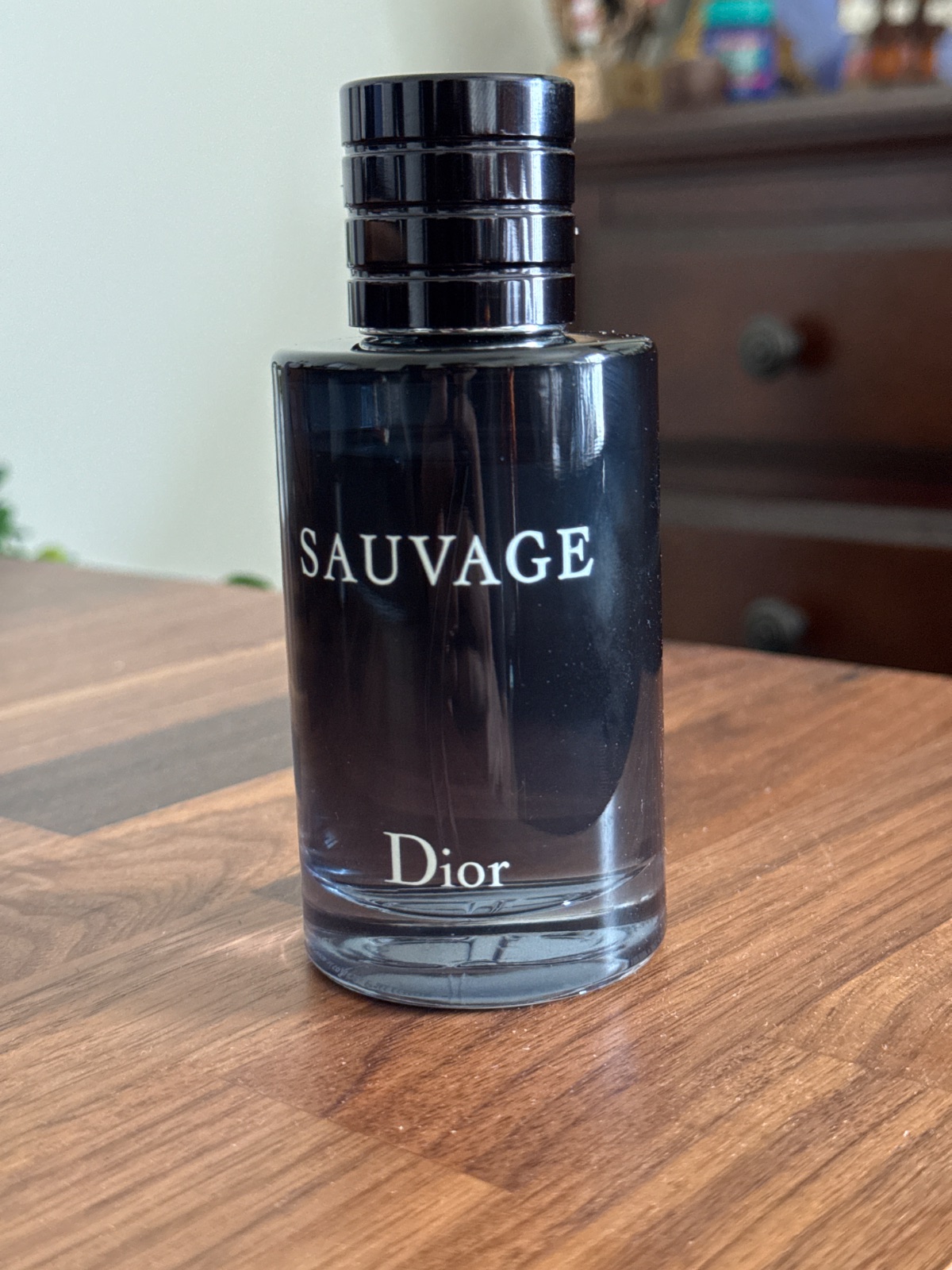
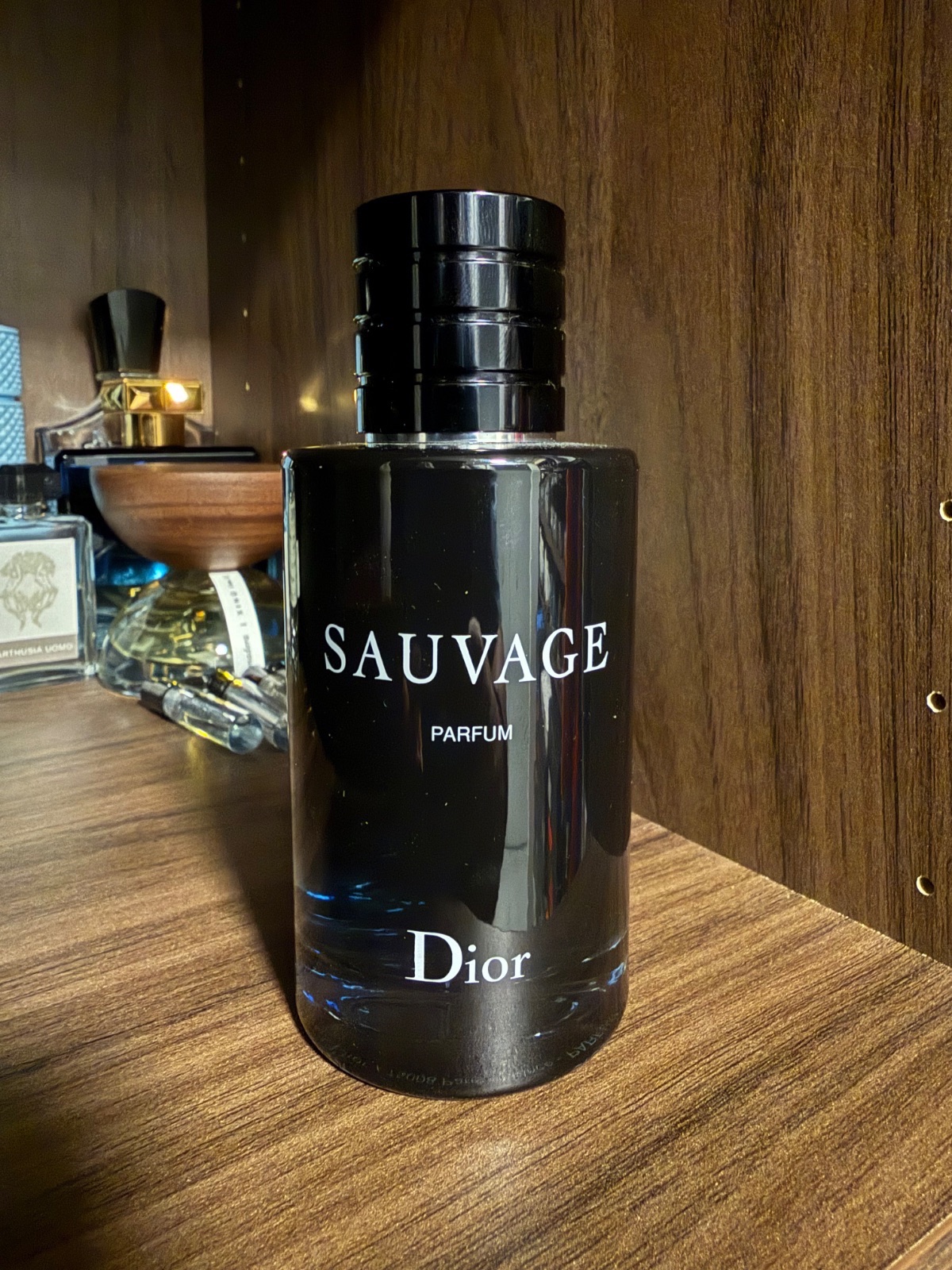
Certain fragrance families and styles consistently outperform others. Fresh, woody, and citrus-forward scents sell year-round because they work in professional settings and warm weather. Think Creed Aventus, Dior Sauvage, Chanel Bleu de Chanel, and Creed Green Irish Tweed. These are the bottles that move within days of listing.
Warm, sweet, and spicy fragrances also have strong buyer demand, especially in fall and winter. Bottles like MFK Baccarat Rouge 540, Parfums de Marly Layton, Tom Ford Tobacco Vanille, and Kilian Angels' Share command attention and hold resale value well.
Niche and luxury houses—Amouage, Initio, Xerjoff, Le Labo—sell quickly when priced fairly, particularly if the bottle is discontinued or only available at a handful of retailers. Collectors looking for Le Labo Santal 33 or Initio Oud for Greatness often turn to the secondary market to avoid markups or out-of-stock issues.
Middle Eastern and affordable luxury brands like Lattafa, Afnan, and Armaf also move quickly, especially among newer collectors building a rotation without spending $300 per bottle. These typically sell in the $30–$80 range and attract buyers looking for quality at accessible prices.
How to Price and Position Your Bottles
Pricing a bottle correctly is the difference between a quick sale and a listing that sits for weeks. Start by checking current retail availability: if a fragrance is in stock everywhere at $200, don't list yours at $190. Buyers need a reason to buy pre-owned—typically 20–30% off retail for a lightly used bottle in good condition, or 40–50% off for a partial bottle without a box.
Check the Sniffy marketplace to see what similar bottles are listed for and how quickly they're selling. If five people are selling the same fragrance at $150 and none have sold in two weeks, price yours at $135 or consider offering it for swap instead. Swaps let you trade bottle-for-bottle with a flat $5 fee and a prepaid shipping label, which can be a faster way to move a bottle that's not selling for cash.
Write honest descriptions: mention the fill level, whether you have the box, any wear on the bottle, and the batch code if visible. Buyers appreciate transparency, and on Sniffy every sale is protected by escrow, so there's no incentive to oversell—disputes freeze payment until resolved, and unboxing videos settle most questions about condition.
Verified sellers and those with high Trust Scores built from completed deals tend to sell faster and can command slightly higher prices because buyers trust the transaction. If you're new to selling, price competitively and deliver exactly what you promised to build your reputation.
Selling Full Bottles vs. Decants
Full bottles move faster for in-demand fragrances, but decants open up a different buyer pool. If you own an expensive or niche fragrance that's been sitting in your collection, splitting it into 5ml or 10ml decants can generate more total revenue than selling the full bottle, especially for scents in the $300+ range.
Decants sell well for fragrances people want to test before buying full bottles—think MFK Oud Satin Mood, Tom Ford Lost Cherry, or Amouage Interlude Man. Buyers pay $15–$40 for a decant instead of $250–$400 for a full bottle, and sellers recoup money from bottles they're not wearing.
On Sniffy, decants are treated the same as full bottles: escrow-protected, tracked shipping, and dispute resolution if something's wrong. Use clean glass atomizers, label clearly, and ship promptly. Decant sellers with good feedback build repeat buyers who come back when they're ready for a full bottle.
What Doesn't Sell (and What to Do Instead)
Not every bottle moves quickly. Mass-market fragrances available at every drugstore for $40 rarely sell on peer-to-peer platforms unless they're vintage or discontinued formulations. Damaged bottles, missing caps, or heavily used partials (under 50% full) also struggle unless priced very low.
If you have a bottle that won't sell, consider these options: list it for swap instead of cash (you might find someone who wants exactly that fragrance), break it into decants if it's a larger size, or donate it and take the tax write-off. Some collectors also trade locally through meetups, though Sniffy's escrow and shipping system makes remote swaps safer and easier.
Patience helps too. Seasonal fragrances sell better at the right time of year—don't expect a heavy oud or tobacco scent to move quickly in July. Relist in September and you'll likely see more interest.
Building a Collection That Holds Value
If you're buying with an eye toward future resale, focus on fragrances that have proven track records: Creed classics, MFK's core line, Dior's pillar releases, and Parfums de Marly's best-sellers. These hold 50–70% of retail value even after moderate use, and some (like Aventus or Baccarat Rouge 540) hold even more if discontinued batches or limited editions are involved.
Avoid buying into hype alone. A fragrance that's trending on social media this month may have no resale value in six months if it doesn't have the quality or wearability to back it up. Stick to houses with established reputations and fragrances that have been popular for years, not weeks.
Keep your boxes, store bottles away from heat and light, and don't open a backup bottle until you've finished the first. When it's time to sell, these details make your listing more attractive and justify a higher price.
Fragrances mentioned
Live on Sniffy right now
Escrow-protected listings that match this guide.
Questions people ask
What fragrance oils sell fastest?
Fresh, woody, and versatile scents from Creed, Dior, Chanel, MFK, and Parfums de Marly sell fastest, especially bottles priced 20–40% below retail in good condition with original boxes.
How much can I get for a used fragrance bottle?
Expect 50–70% of retail for lightly used bottles in full presentation, 40–50% for partials or bottles without boxes, depending on demand and condition.
Should I sell my bottle or trade it?
If your bottle isn't selling after two weeks at a fair price, consider listing it for swap—you pay a flat 5 fee and might find someone who wants exactly what you have.
Do decants sell as well as full bottles?
Decants sell quickly for expensive or niche fragrances because buyers can test before committing to a full bottle, and sellers can generate more revenue from a single bottle.
How do I price a fragrance for resale?
Check current retail availability and recent sales on the marketplace, then price 20–30% below retail for near-full bottles in good condition, adjusting for fill level and presentation.
Trade bottles the safe way.
Sniffy is the fragrance marketplace built for trading: escrow on every deal, insured tracked shipping, trader Trust Scores, and bottle-for-bottle trades where the only money that moves is a refundable deposit, a $5 fee and your label at cost. Free to browse, free to list.
Prefer your phone? Get the Sniffy iOS app.