Collectors who spend $100 or more on a bottle do not want their deodorant interfering with the dry-down. The best fragrance deodorant is usually no fragrance at all—an unscented antiperspirant or deodorant that does its job without adding another layer of scent. But if you prefer a lightly scented option, the key is choosing something that fades fast or complements the fragrance families you wear most often.
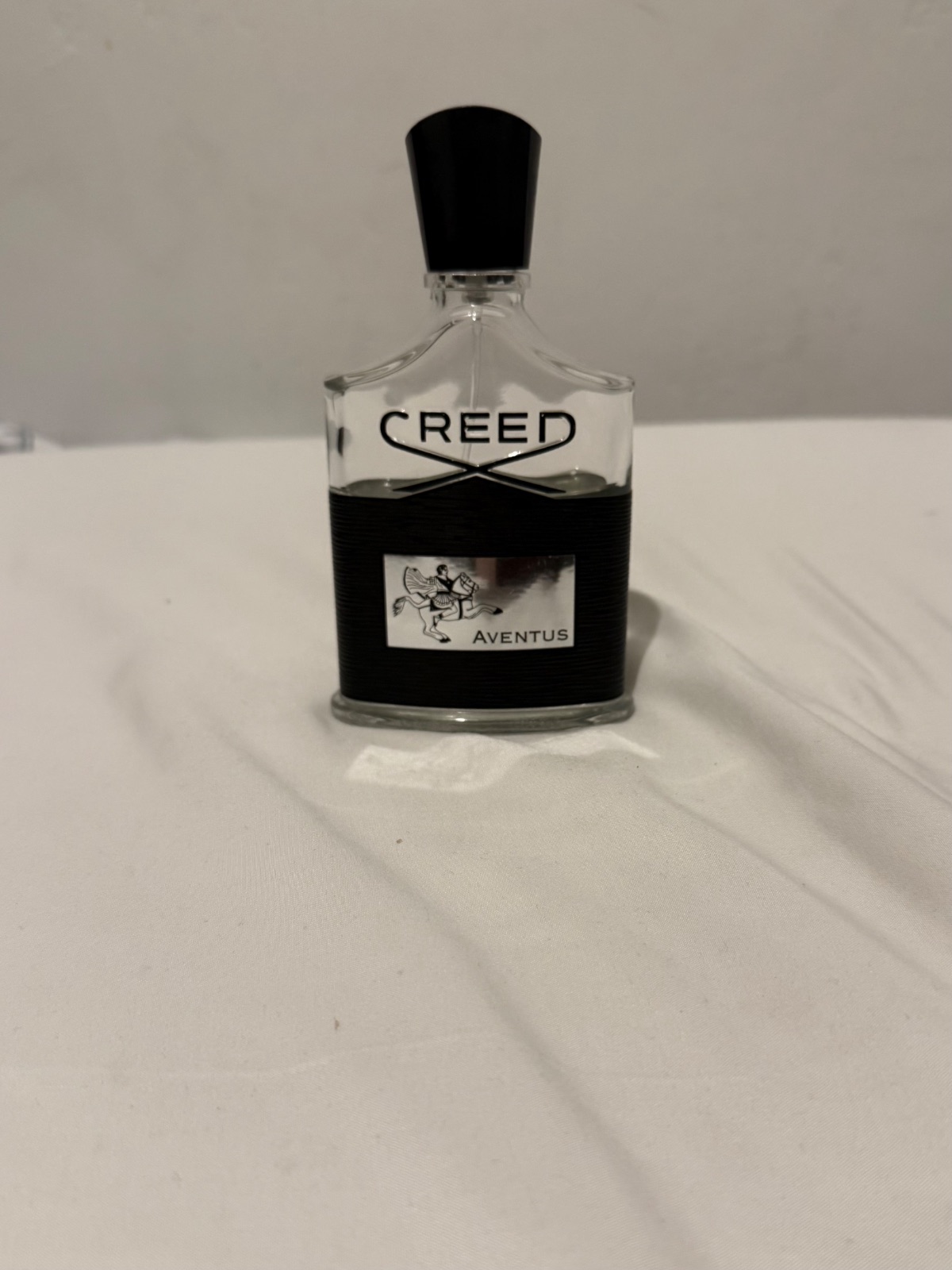
This guide covers how to pick a deodorant that works with your collection, when to go fragrance-free, and how to layer scent properly so your $150 bottle of Creed Aventus or Baccarat Rouge 540 smells exactly as the perfumer intended.
Why Fragrance-Free Deodorant Is the Safest Choice
Unscented deodorants and antiperspirants eliminate the risk of scent clash. When you spray a fragrance, you are layering dozens of notes—top, heart, base—that evolve over hours. A deodorant with its own fragrance adds another set of notes, often synthetic musks or citrus, that can distort or flatten what you are wearing.
Fragrance-free options include aluminum-based antiperspirants like Certain Dri, Dove Unscented, or Degree Clinical Protection, and natural deodorants like Native Unscented or Schmidt's Fragrance-Free. These products stop odor and wetness without contributing any smell. If you rotate through different fragrance families—fresh citrus one day, heavy oud the next—this is the most reliable approach.
Collectors who sell or swap bottles on Sniffy often keep their skin as neutral as possible before testing a new fragrance. An unscented deodorant is part of that routine, especially when you are sampling decants or deciding whether a full bottle is worth the investment.
When a Lightly Scented Deodorant Works
If you prefer a deodorant with some scent, look for products that fade within 30 minutes or use simple, clean notes that do not compete with complex fragrances. Lightly scented deodorants with subtle powder, light musk, or barely-there citrus can work if they stay close to the skin and do not project.
Examples include Old Spice Pure Sport (clean and soapy), Dove Men+Care Clean Comfort (mild powder), or Arm & Hammer Essentials Unscented (which has a faint natural smell that disappears quickly). The goal is a deodorant that does its job in the first hour and then gets out of the way.
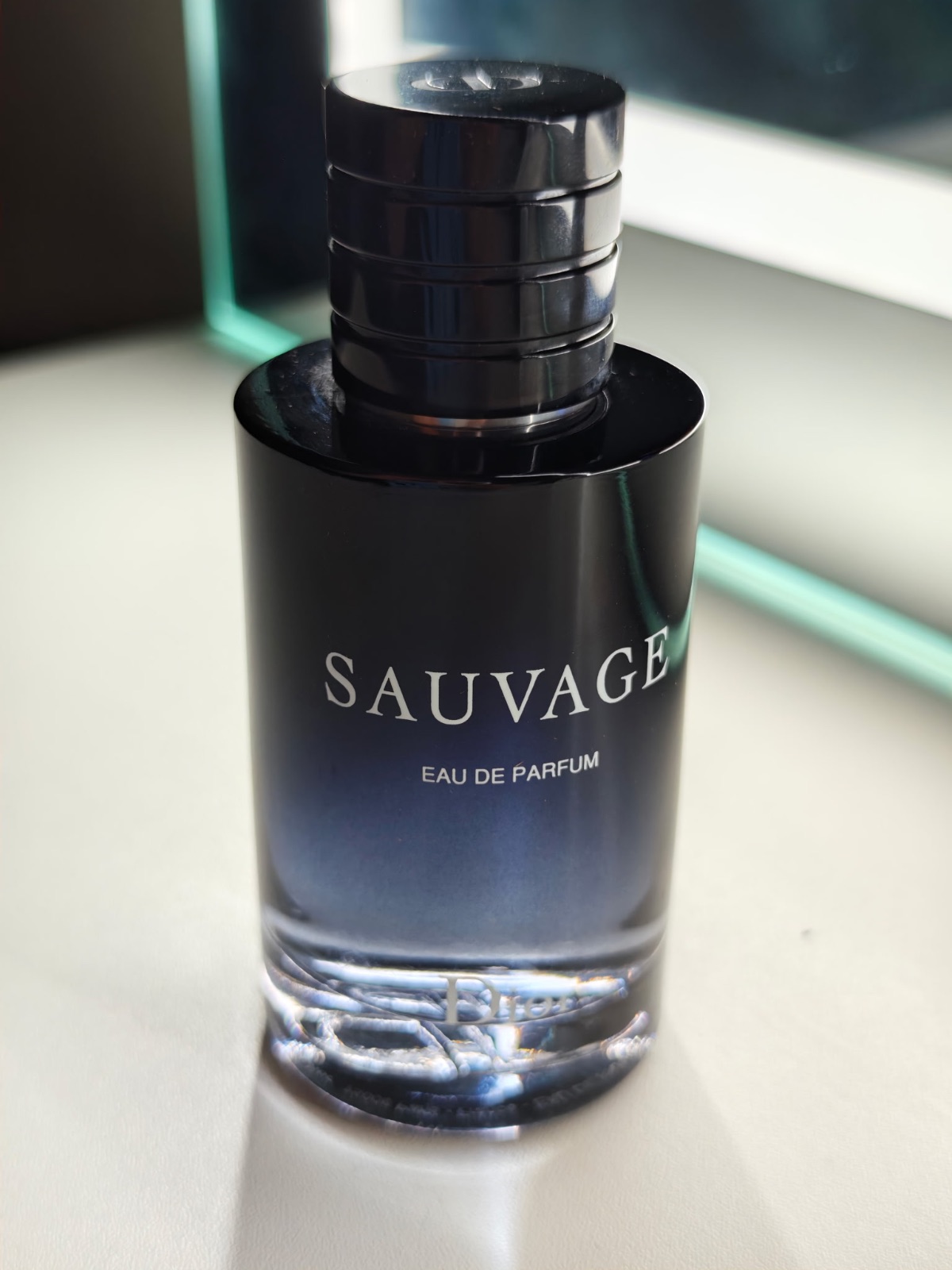
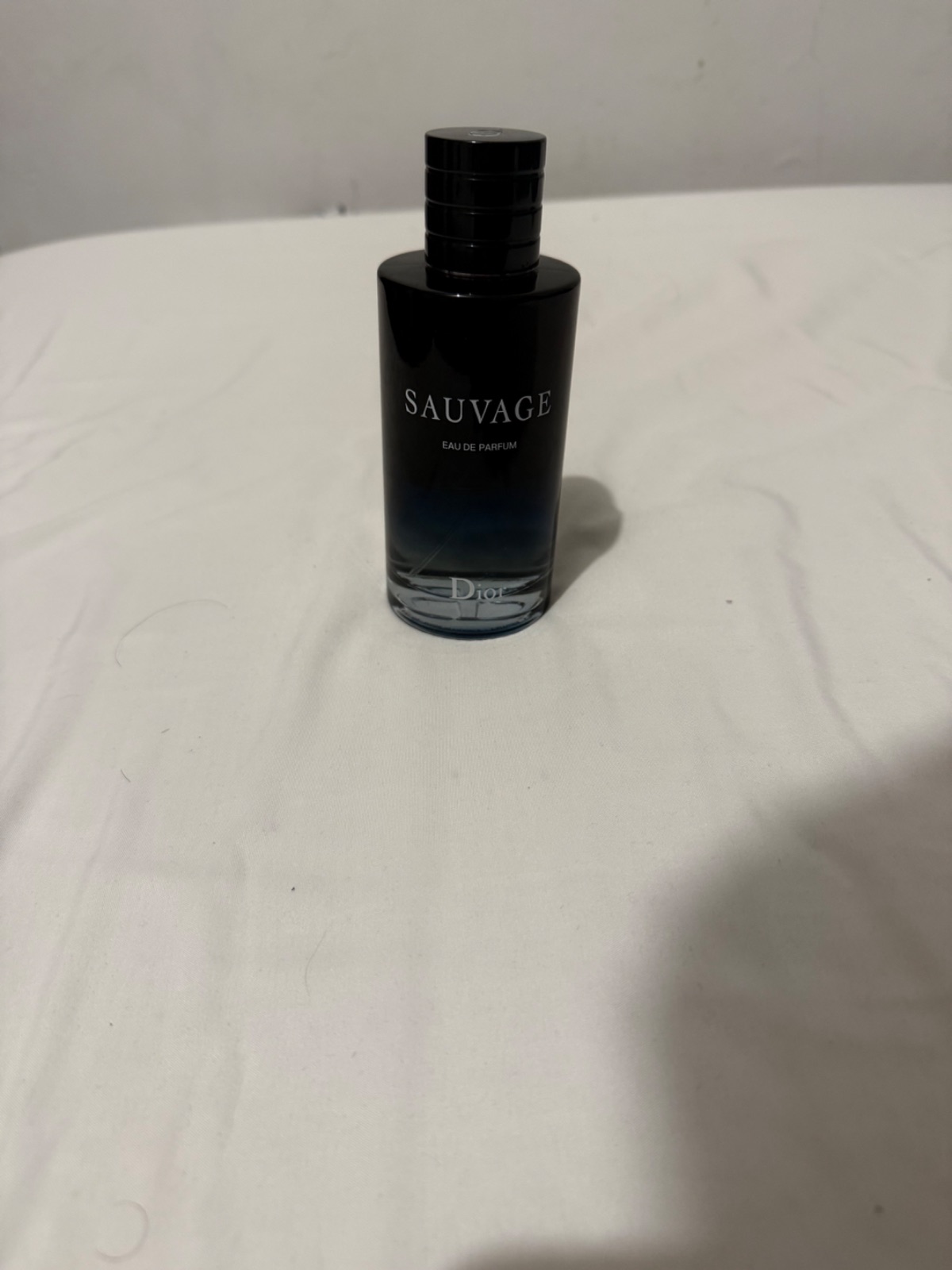
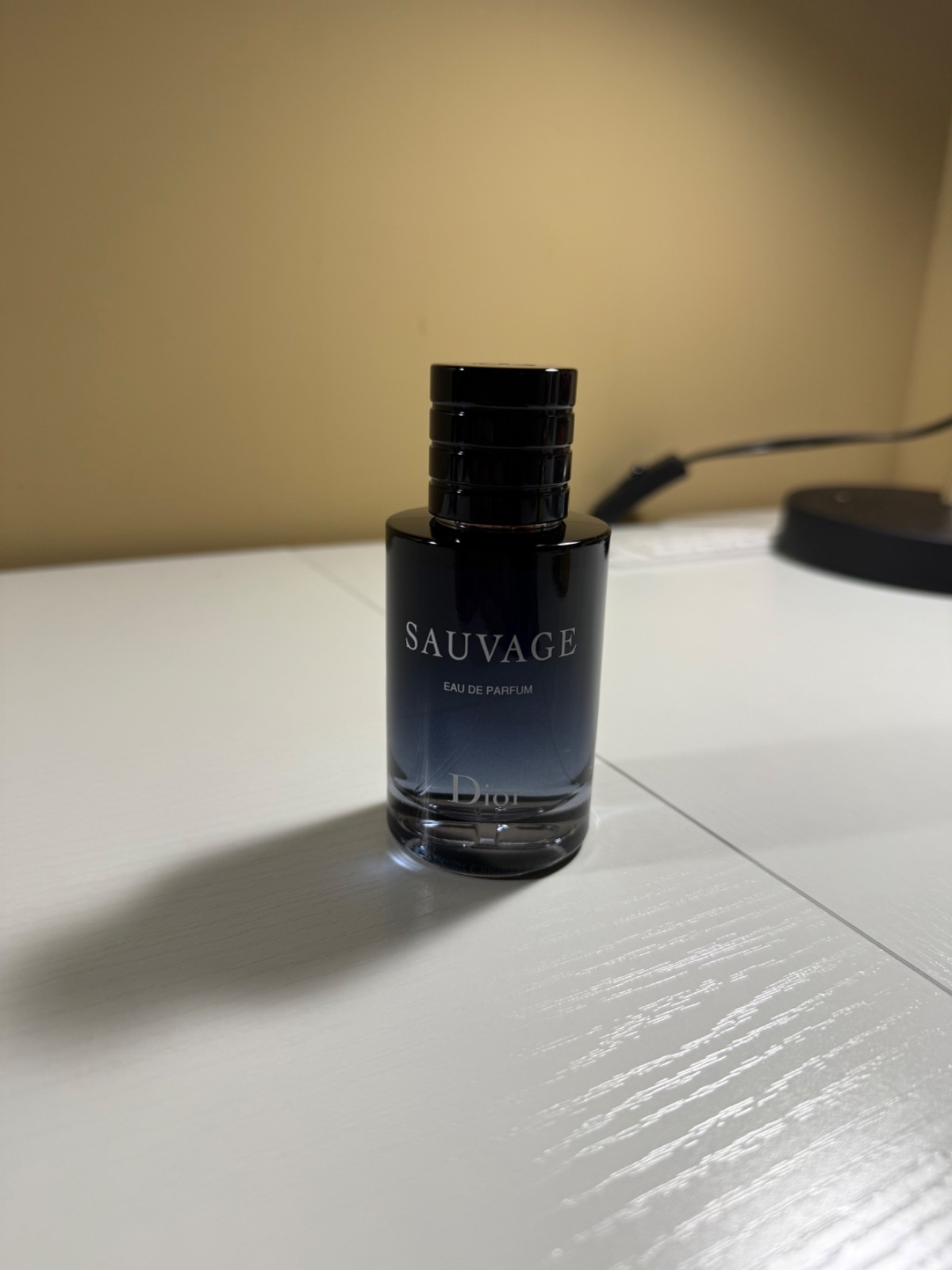
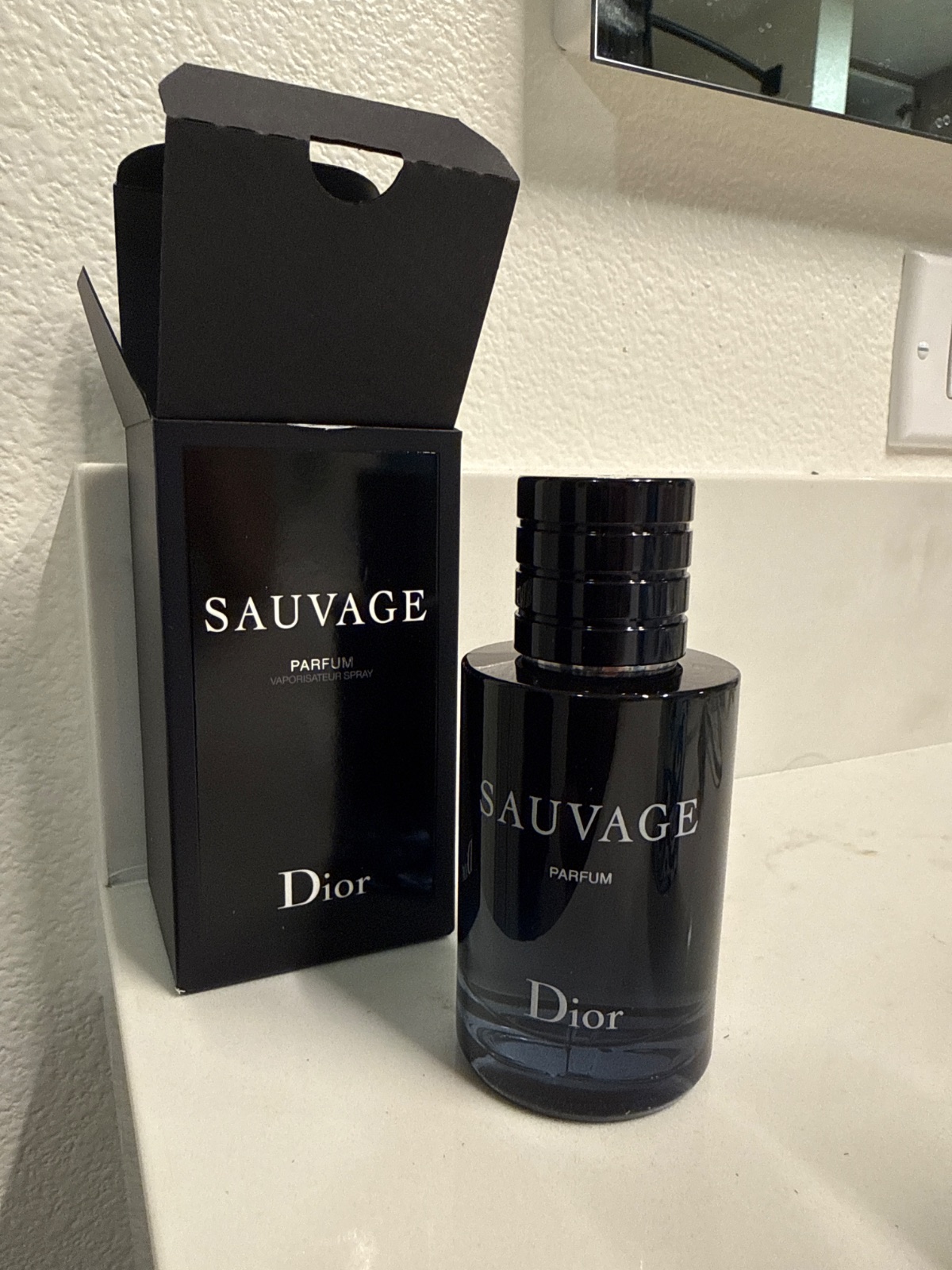
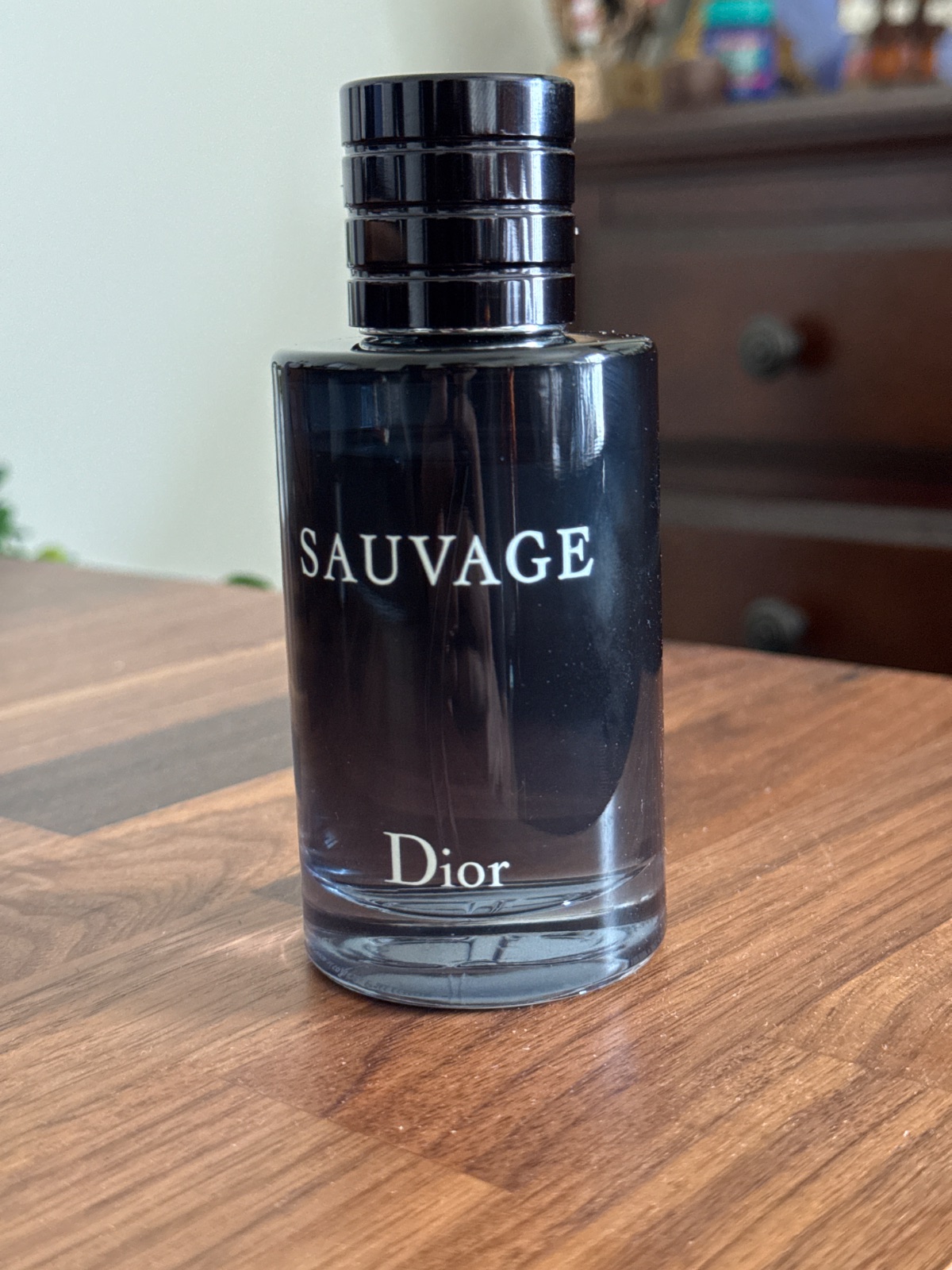
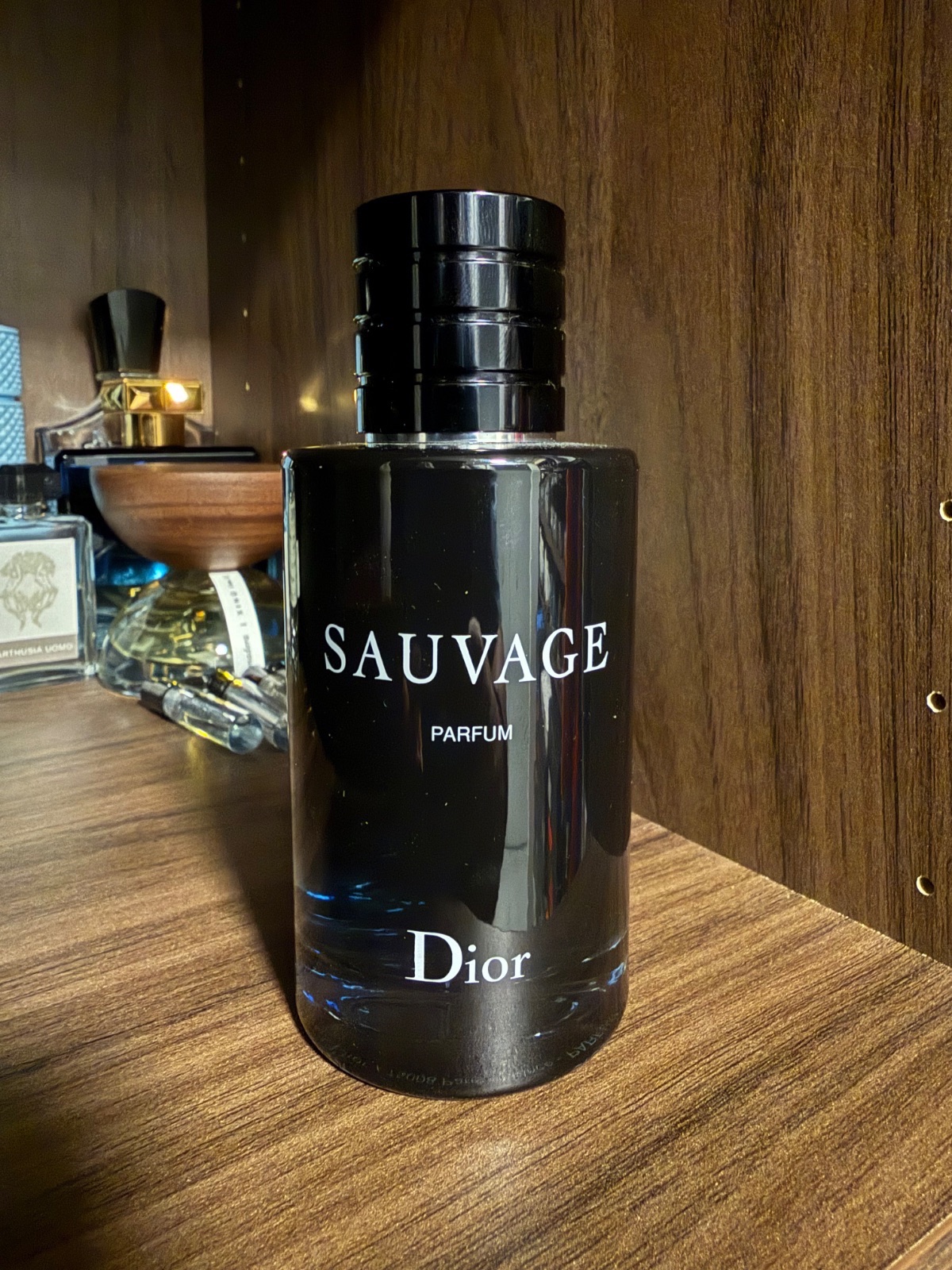
Avoid heavily scented deodorants marketed as "sport" or "intense" unless you are skipping fragrance that day. Products like Axe, heavily scented Old Spice variants, or body sprays will overpower or clash with anything you layer on top. If you are wearing Dior Sauvage or Bleu de Chanel, a deodorant with its own loud synthetic musk will muddy the pepper and ambroxan you paid for.
Matching Deodorant to Your Fragrance Rotation
Some collectors match their deodorant scent profile to the fragrances they wear most often. If you mostly wear fresh, aquatic, or citrus scents, a deodorant with a light citrus or oceanic note can blend in. If you lean toward woody or spicy fragrances, a deodorant with cedar or light sandalwood might complement rather than clash.
This approach requires consistency. If you wear Green Irish Tweed, Dior Homme Intense, and Tom Ford Oud Wood in the same week, a single deodorant scent will not work with all three. In that case, fragrance-free is simpler.
For collectors who stick to one fragrance family, this strategy can work. Someone who only wears fresh designers like Versace Dylan Blue or Prada Luna Rossa Ocean might use a lightly scented aquatic deodorant without issue. Someone who rotates between Initio Oud for Greatness and Nasomatto Black Afgano should skip the scent entirely.
Natural Deodorants and Fragrance Layering
Natural deodorants—baking soda, arrowroot, coconut oil-based formulas—often have a faint scent from essential oils or the base ingredients. Many use tea tree, eucalyptus, or lavender, which can clash with certain fragrances. If you prefer natural options, choose unscented versions or test how the scent interacts with your rotation before committing.
Native, Schmidt's, and Tom's of Maine all offer fragrance-free natural deodorants that work well under most fragrances. Some collectors find that natural deodorants require reapplication during the day, which can be inconvenient if you are testing a fragrance or attending an event. Aluminum-based antiperspirants tend to last longer and stay drier, which matters if you are wearing a fragrance in heat or humidity.
Natural deodorants also take a week or two for your body to adjust if you are switching from an antiperspirant. Plan that transition during a time when you are not testing new bottles or attending a fragrance meetup.
Application Tips to Avoid Scent Interference
Apply deodorant at least 10 minutes before your fragrance, ideally after a shower when your skin is clean and dry. This gives the deodorant time to settle and dry down, so it is not mixing wet product with your fragrance spray.
Spray your fragrance on pulse points—wrists, neck, chest—away from your underarms. Most deodorants stay localized, but if you are using a scented one, keep your fragrance application focused on areas where the deodorant is not applied. This reduces the chance of the two scents blending in a way you did not intend.
If you are testing a new fragrance from a decant or sample, use an unscented deodorant that day. You want to evaluate the fragrance on its own, not guess whether the soapy note you are smelling is from the perfume or your deodorant. Collectors who swap bottles or buy decants on Sniffy often test multiple fragrances in a week, and keeping your base scent neutral makes those tests more accurate.
When to Skip Deodorant Entirely
Some collectors skip deodorant when testing a fragrance at home or during cooler months when sweating is not an issue. If you are sampling a $20 decant of Amouage Interlude Man or deciding whether to buy a full bottle of Le Labo Santal 33, you might choose to test it without any other products on your skin.
This is not practical for most people during a workday or in warm weather, but it is a useful approach when you want a clean read on a fragrance. If you are recording notes for your collection or deciding whether to list a bottle for sale, eliminating variables like deodorant scent gives you a clearer picture of what the fragrance actually smells like on your skin.
How Sniffy Helps You Build and Refine Your Collection
When you are buying, selling, or swapping bottles on Sniffy, you want to know exactly how a fragrance performs on your skin—not how it smells mixed with your deodorant. Every transaction is escrow-protected, so you can buy a full bottle or a decant, test it properly with a neutral base, and decide if it is a keeper or something to pass along.
If you are selling a bottle, buyers expect it to smell as described. Using a fragrance-free deodorant when you test and photograph your bottles ensures you are evaluating the scent accurately. If you are swapping, the same principle applies: you want to trade a bottle you have tested fairly, and you want to receive one that has been stored and handled the same way.
Fragrances mentioned
Live on Sniffy right now
Escrow-protected listings that match this guide.
Questions people ask
What is the best deodorant to wear with expensive fragrances?
An unscented antiperspirant or deodorant is the safest choice because it does not add any competing scent. Products like Dove Unscented, Certain Dri, or Native Fragrance-Free let your fragrance perform exactly as intended.
Can I use a scented deodorant with my fragrance?
Yes, if the deodorant has a very light scent that fades quickly and does not clash with your fragrance family. Avoid heavily scented deodorants or body sprays, which will overpower or distort most fragrances.
Should I apply deodorant before or after fragrance?
Apply deodorant first, at least 10 minutes before your fragrance. Let it dry completely so the two products do not mix wet and create an unintended scent combination.
Do natural deodorants work with layering fragrances?
Natural deodorants can work if they are unscented or have a very faint smell that fades fast. Many contain essential oils like tea tree or lavender, which can clash with certain fragrances, so test first.
Why does my fragrance smell different when I use scented deodorant?
Scented deodorants add their own notes—often synthetic musks, citrus, or powder—that mix with your fragrance and change how it smells on your skin. Switching to an unscented option usually solves the problem.
Trade bottles the safe way.
Sniffy is the fragrance marketplace built for trading: escrow on every deal, insured tracked shipping, trader Trust Scores, and bottle-for-bottle trades where the only money that moves is a refundable deposit, a $5 fee and your label at cost. Free to browse, free to list.
Prefer your phone? Get the Sniffy iOS app.