Guerlain L'Heure Bleue has been in continuous production since 1912, making it one of the oldest fragrances still sold today. The powdery anise-violet-iris composition is a reference point for classic French perfumery, but reformulations over the decades mean vintage and modern batches smell noticeably different. Decants are the practical way to sample both eras, compare batches, or carry a small amount without risking a full bottle during travel or storage.
This guide covers how to buy and sell L'Heure Bleue decants on peer-to-peer markets, what sizes and pricing to expect, how to verify what you're getting, and when a decant makes more sense than a full bottle.
Why Decant L'Heure Bleue Instead of Buying a Full Bottle
L'Heure Bleue is available in 2.5 oz, 4.2 oz and larger bottles, but three factors make decants especially useful. First, reformulation history: bottles from the 1980s and earlier contain oakmoss and other materials restricted by IFRA regulations, giving them a richer, deeper base than current production. If you want to compare vintage to modern, buying two full bottles is expensive and unnecessary—5 mL or 10 mL samples of each let you decide which you prefer before committing.
Second, the scent is polarizing. L'Heure Bleue opens with anise and bergamot, moves into heliotrope and carnation, and settles into iris, tonka and vanilla over a powdery base. Some collectors find it transcendent; others find it too old-fashioned or soapy. A decant lets you wear it for a week in different seasons and settings before deciding if a full bottle belongs in your rotation.
Third, storage and portability: L'Heure Bleue is light-sensitive and benefits from being kept in its box away from heat. A 5 mL or 10 mL decant in an amber or opaque atomizer is easier to carry in a bag or store in a drawer without worrying about UV exposure or breakage.
Common Decant Sizes and Typical Pricing
Most peer-to-peer decants of L'Heure Bleue are offered in 2 mL, 5 mL, 10 mL and occasionally 15 mL or 30 mL sizes. Pricing depends on whether the source is current Eau de Parfum, current Eau de Toilette, or a vintage batch. Current EDP decants typically run $8 to $15 for 5 mL and $18 to $30 for 10 mL. Vintage decants—especially pre-1990s Eau de Toilette or parfum concentrations—often command $20 to $40 for 5 mL depending on the batch year and condition of the source bottle.
When evaluating price, check the concentration and batch code. Guerlain has released L'Heure Bleue in Eau de Toilette, Eau de Parfum and pure parfum (extrait). The parfum is the most expensive and least commonly decanted. Sellers should disclose the concentration and approximate batch date; if they don't, ask before buying. A decant listed as "L'Heure Bleue" without further detail is almost always current EDP, but confirming avoids disappointment.
Decants on Sniffy ship via prepaid USPS Ground Advantage labels in padded mailers, which keeps shipping costs lower than bottles. Expect $4 to $6 for domestic shipping on a single decant, less if the seller combines multiple samples into one package.
How to Verify Authenticity and Batch Information
L'Heure Bleue's long production history and high resale value make it a target for counterfeits and mislabeled decants. When buying, look for sellers who provide the batch code from the source bottle. Guerlain batch codes are typically four digits: the first two indicate the year, the second two indicate the month or production facility. A code like "2401" means January 2024 or facility 01 in 2024. Cross-reference the code with the seller's description—if they claim a vintage 1980s bottle but the code reads 2018, walk away.
Ask the seller to describe the source bottle: is it the current bee bottle design, the older ribbed glass, or a true vintage flat-sided bottle? Current production uses the iconic "quadrilobe" bee bottle introduced in the 2000s. Pre-2000s bottles have different glass shapes and labels. Vintage parfum often came in Baccarat crystal flacons with gold labels. These details help confirm the era and authenticity of the decant.
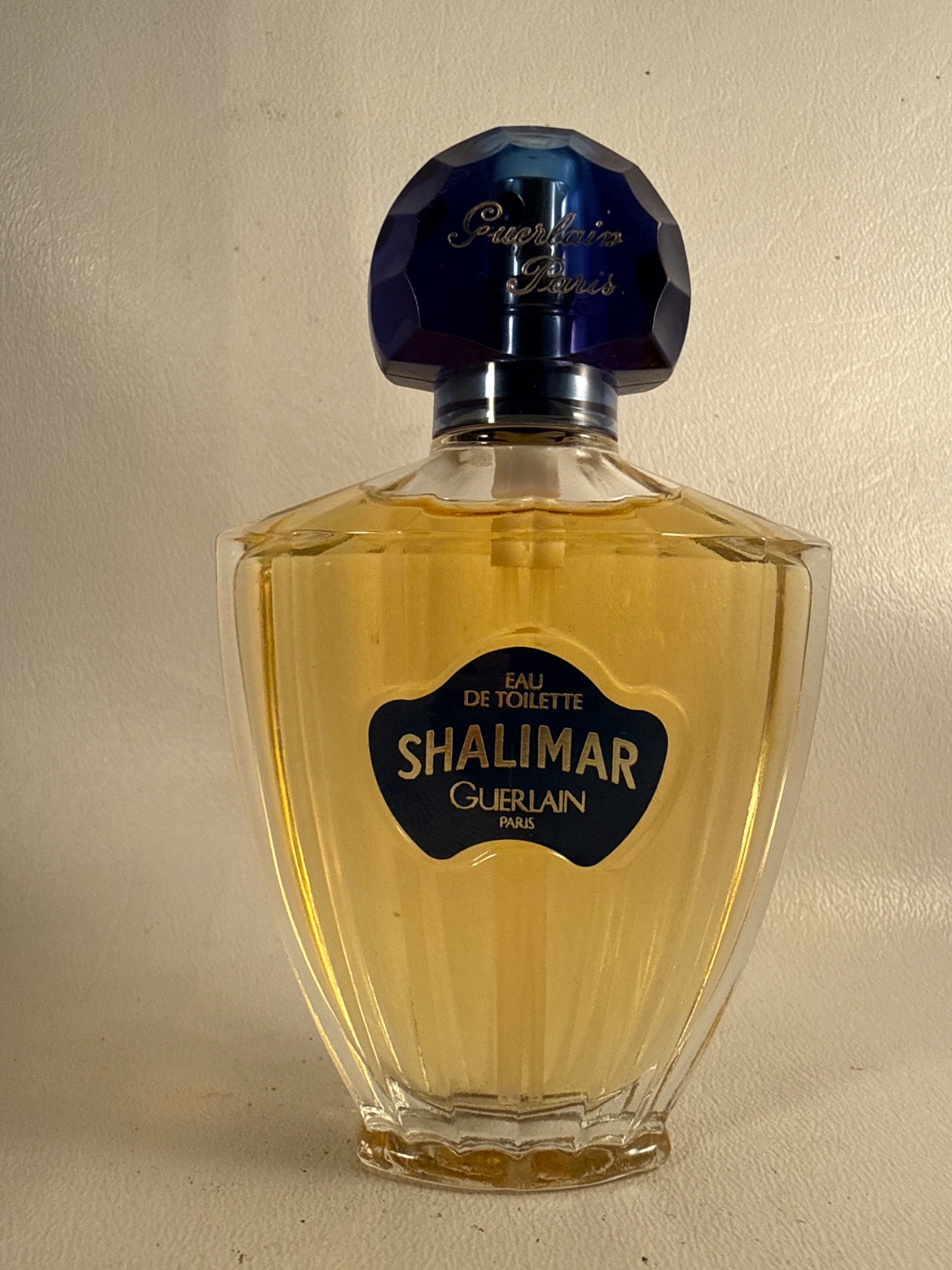
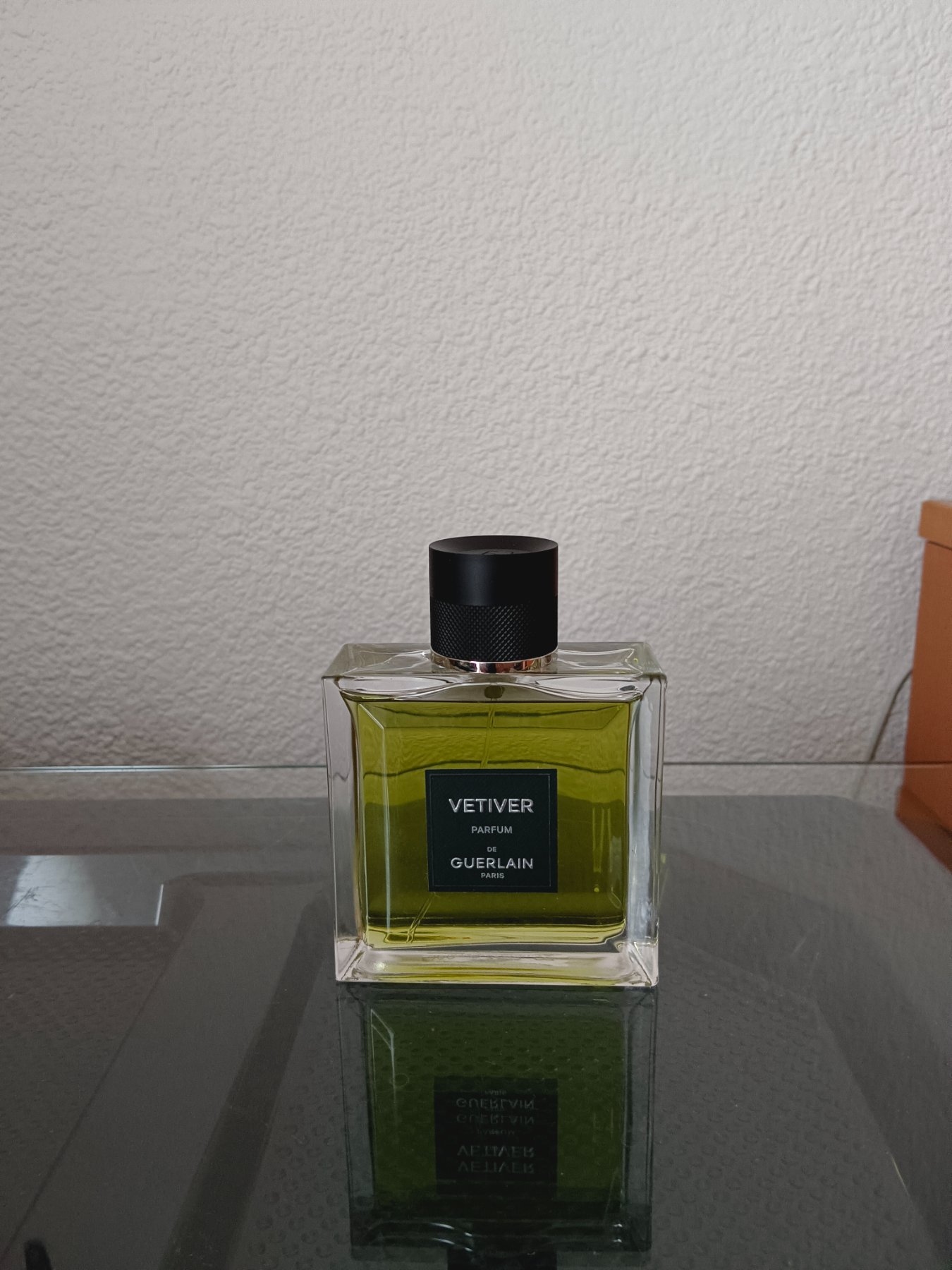
Check the seller's Trust Score and completed transaction history. Sellers who regularly decant high-value classics like L'Heure Bleue, Shalimar, and Guerlain Vetiver and have positive feedback are safer bets than new accounts with no track record. On Sniffy, every account has a public Trust Score built from completed deals, and buyers can request an unboxing video to document the decant's condition on arrival.
Selling L'Heure Bleue Decants: What Buyers Expect
If you own a bottle of L'Heure Bleue and want to sell decants, transparency and presentation matter. Include the batch code, concentration (EDT, EDP or parfum), and approximate bottle age in your listing. Photograph the source bottle next to the decants so buyers can see the label, fill level and condition. Use clean glass atomizers—preferably amber or opaque to protect the fragrance from light—and label each decant clearly with the fragrance name, size and concentration.
Price competitively by checking what similar decants are listed for on the marketplace. Current EDP decants are abundant, so your pricing should reflect that. Vintage decants command higher prices, but you need to prove provenance: show the batch code, describe the scent differences if you've compared it to modern batches, and explain why the vintage is worth the premium. Buyers who seek vintage L'Heure Bleue know what they're looking for and will pay fairly if you provide the details.
Shipping decants is straightforward on Sniffy: you buy a prepaid insured USPS Ground Advantage label inside the platform, print it, wrap the decant in bubble wrap, place it in a padded mailer, and drop it at the post office. Tracking updates automatically and the buyer confirms receipt. You pay a 10% fee only when the sale completes, and listing is free.
When to Swap Instead of Sell
L'Heure Bleue decants are good candidates for swaps if you want to try other classics without spending cash. Bottle-for-bottle swaps on Sniffy work for decants too: you list a 5 mL or 10 mL decant for trade, match with someone offering a decant you want, each side pays a $5 flat fee plus a prepaid shipping label and puts down a small refundable deposit, both ship at the same time, and deposits are returned when both confirm. This is useful if you have a current EDP decant and want to try a vintage batch, or if you want to swap a Guerlain decant for a Chanel or Dior classic you haven't sampled yet.
Swaps avoid the 10% selling fee and let you refresh your sample collection without cash outlay. The flat $5 fee and prepaid label make small swaps economical even for 2 mL or 5 mL decants, as long as both sides value the trade equally.
Storing and Using L'Heure Bleue Decants
Once you receive a decant, store it in a cool, dark place. L'Heure Bleue's delicate top notes—anise and bergamot—can turn sour if exposed to heat or light for extended periods. A drawer or cabinet away from windows is ideal. If the decant came in a clear glass atomizer, consider transferring it to an amber or opaque vial for long-term storage.
L'Heure Bleue is an Eau de Parfum or Eau de Toilette, so longevity varies by concentration. The EDP lasts six to eight hours on skin with moderate projection; the EDT is lighter and fades faster. Apply to pulse points and clothing for best results. The scent is formal and works best in cooler weather or evening settings—it's not a summer day fragrance. Testing a decant across different contexts and temperatures will tell you if a full bottle fits your lifestyle.
Fragrances mentioned
Live on Sniffy right now
Escrow-protected listings that match this guide.
Questions people ask
What size L'Heure Bleue decant should I buy first?
Start with 5 mL. That gives you 50 to 75 wears, enough to test the fragrance across different seasons and occasions before deciding on a full bottle.
How can I tell if a L'Heure Bleue decant is vintage or current?
Ask the seller for the batch code from the source bottle. Guerlain codes have four digits: the first two are the year. Codes starting with 80-99 are older; 00-26 are 2000s to present. Also ask about the bottle design—vintage bottles have different glass shapes than the current bee bottle.
Are L'Heure Bleue decants safe to buy on peer-to-peer markets?
Yes, if you buy from sellers with verified accounts and good Trust Scores. Check the batch code, ask for photos of the source bottle, and use a platform with escrow protection so your money is held until you confirm the decant matches the listing.
Can I sell decants from my own bottle of L'Heure Bleue?
Yes. Include the batch code, concentration, and bottle age in your listing. Use clean glass atomizers, label each decant clearly, and price competitively based on whether it's current or vintage. Sniffy charges a 10% fee only when the sale completes.
What's the difference between L'Heure Bleue EDP and EDT decants?
The Eau de Parfum is richer and lasts longer—six to eight hours with moderate projection. The Eau de Toilette is lighter, more citrus-forward, and fades faster. Vintage EDT batches from before the 1990s often smell closer to the original formula than current EDP due to oakmoss and other restricted ingredients.
Trade bottles the safe way.
Sniffy is the fragrance marketplace built for trading: escrow on every deal, insured tracked shipping, trader Trust Scores, and bottle-for-bottle trades where the only money that moves is a refundable deposit, a $5 fee and your label at cost. Free to browse, free to list.
Prefer your phone? Get the Sniffy iOS app.