Counterfeit perfume is everywhere: online marketplaces, discount sites, even some storefronts. A fake bottle can smell close at first spray but fade in minutes, irritate skin, or contain harmful fillers. Knowing how to verify authenticity protects your money and your collection. These eight checks work for any bottle, from a $30 designer fragrance to a $400 niche release.
Check the Batch Code
Every legitimate perfume has a batch code stamped or printed on the bottom of the bottle and on the box. This code tells you when and where the perfume was made. Use a free batch code checker like CheckFresh or CheckCosmetic: enter the code and the brand, and it will show the production date. If the code is missing, smudged, or returns no result, that is a red flag. If the code on the bottle does not match the code on the box, walk away.
Counterfeiters often skip batch codes entirely or print random strings that do not decode. Real brands use consistent formats: Chanel uses four digits, Dior uses a mix of letters and numbers, Creed hand-stamps codes on the crimp. Learn the format for the houses you collect.
Inspect the Packaging
Authentic boxes use thick, high-quality cardboard with sharp printing. The text should be crisp, colors should match the brand's standard palette, and there should be no spelling errors or blurry logos. Check the cellophane: luxury brands use tight, even wrapping with clean seams. If the cellophane is loose, wrinkled, or resealed with tape, the bottle may have been tampered with.
Open the box and look at the interior. Many brands print batch codes, barcodes, or care instructions inside the flap. The insert or platform holding the bottle should fit snugly. If the bottle rattles or the insert is flimsy cardboard instead of molded plastic, that is a sign of a counterfeit.
Examine the Bottle and Cap
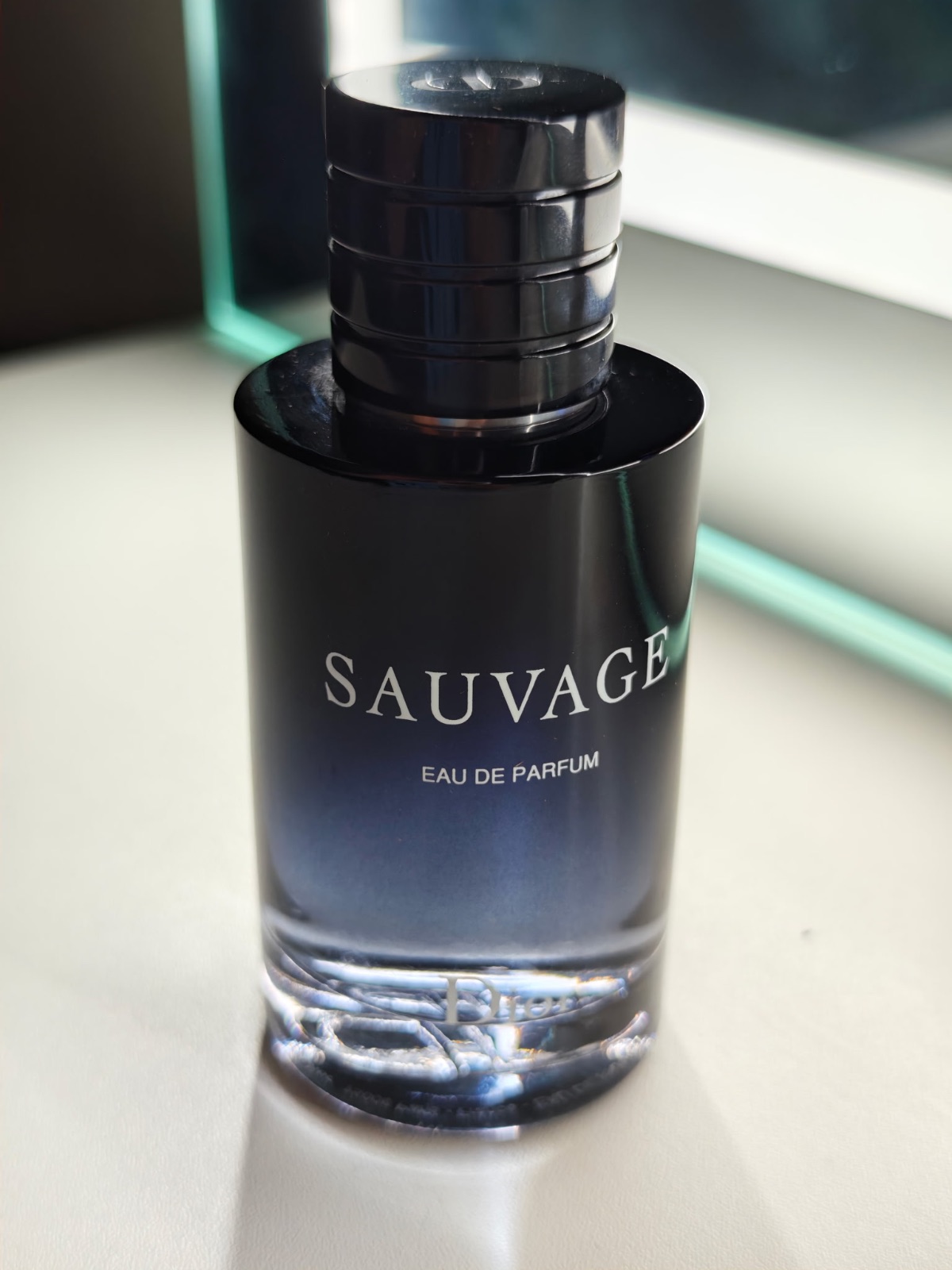
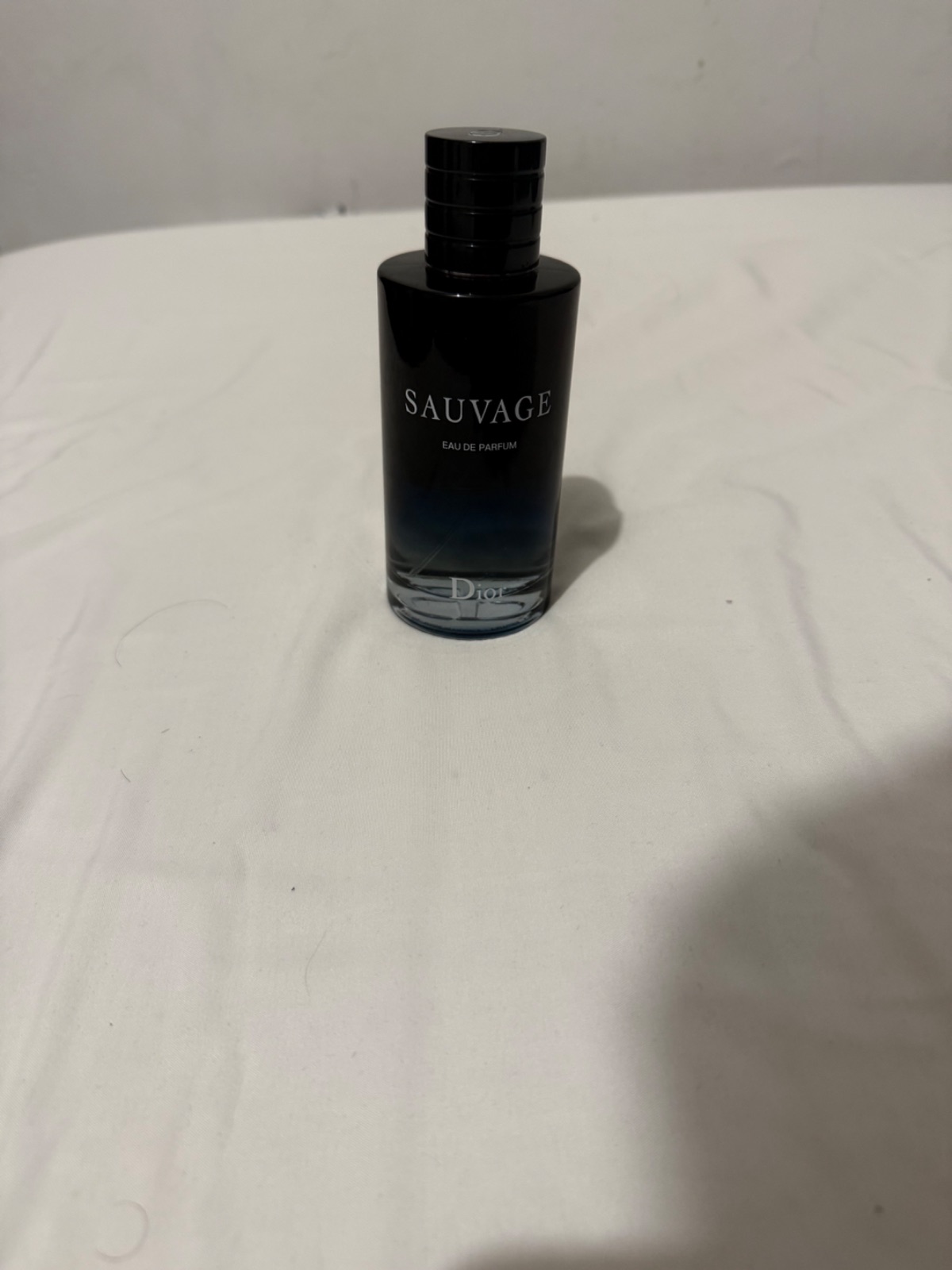
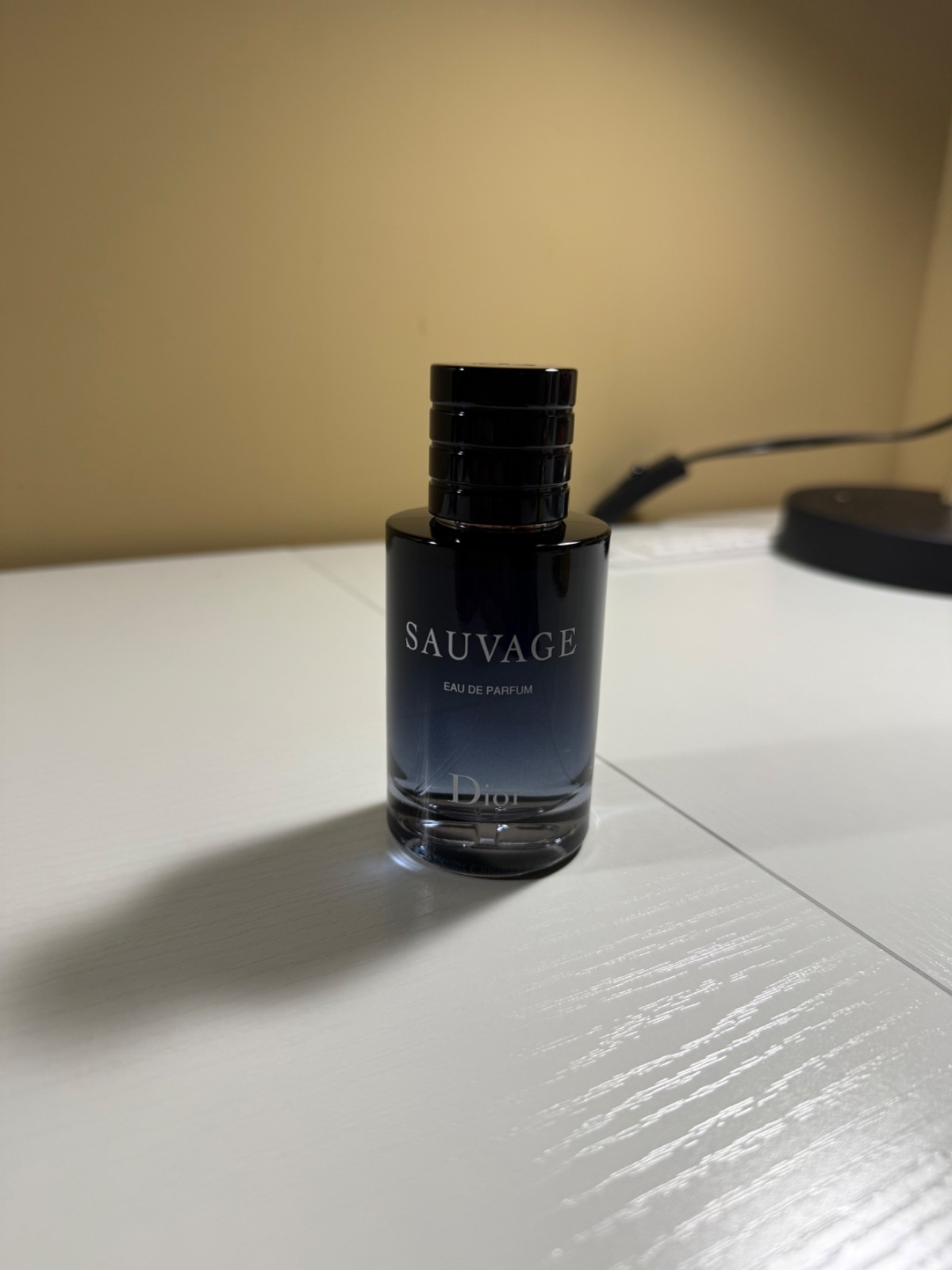
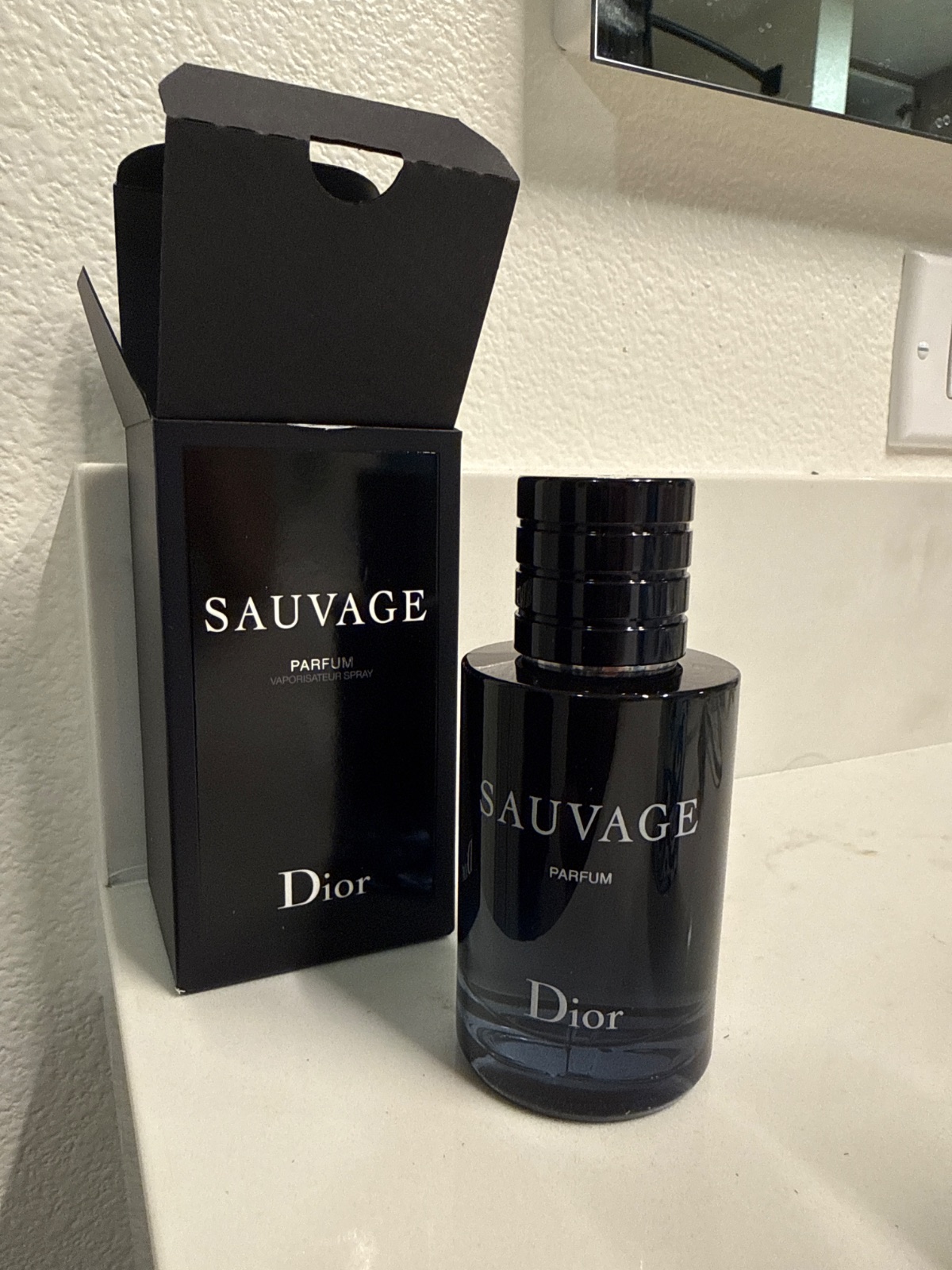
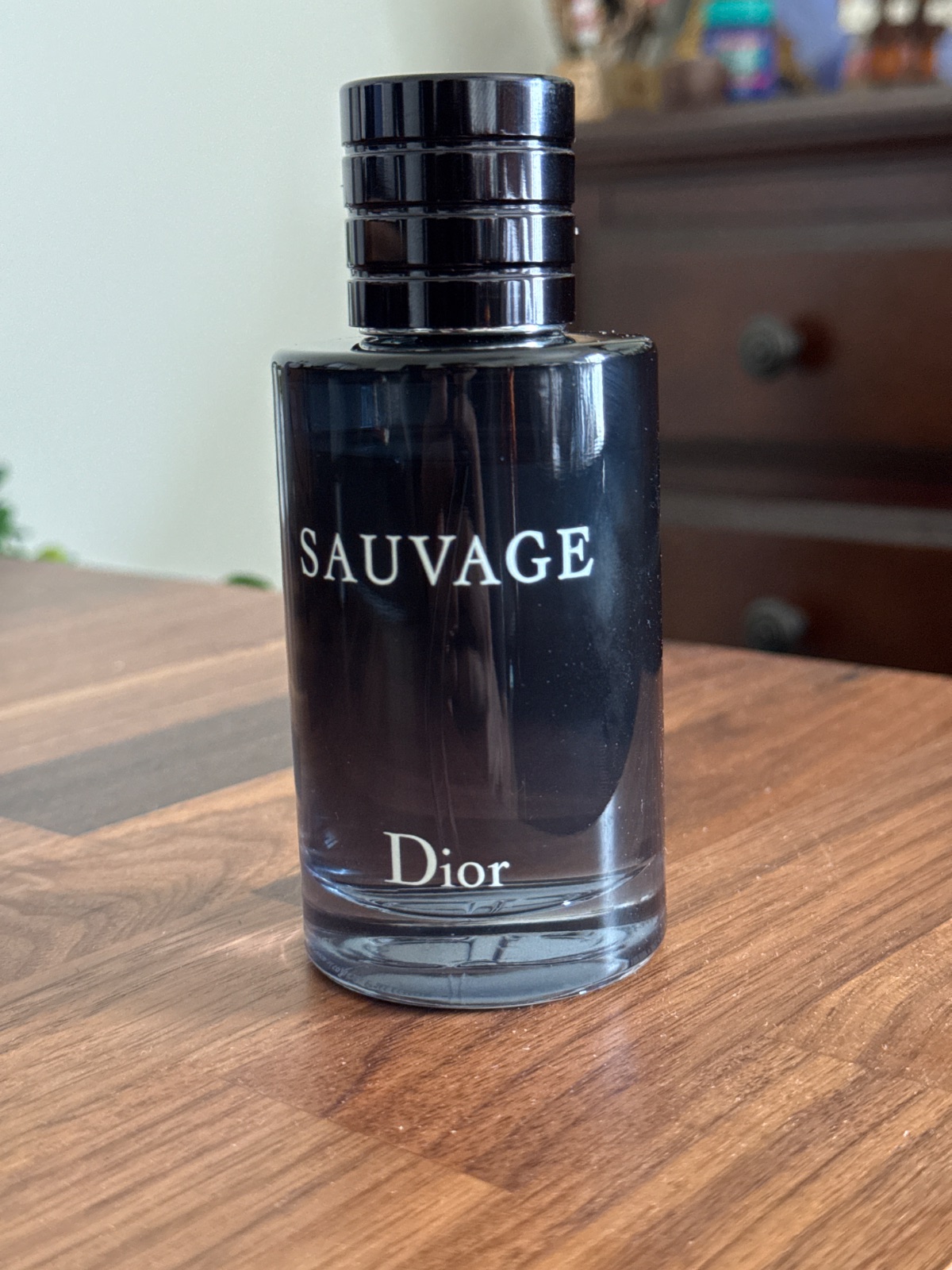
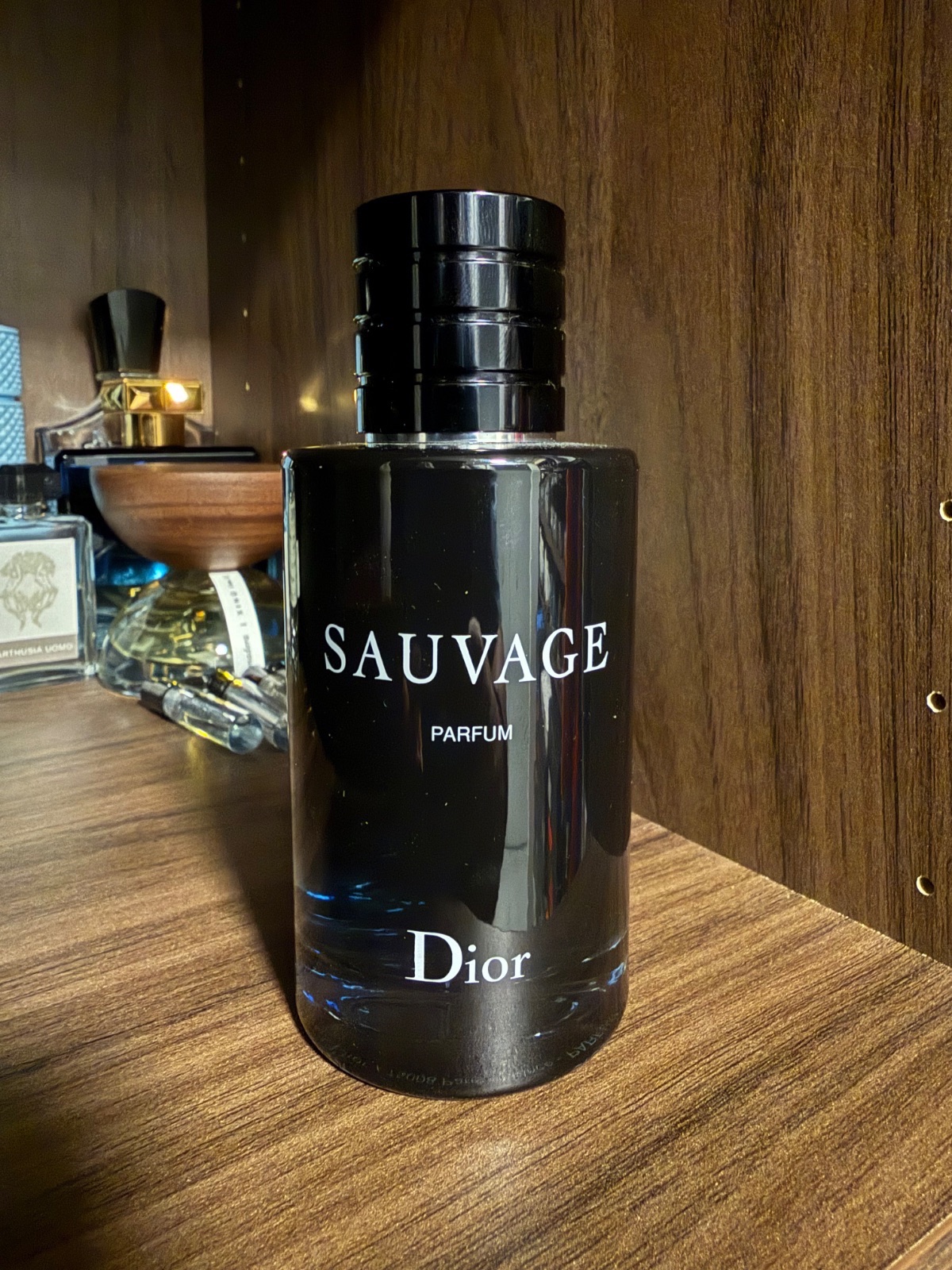
Real perfume bottles are made with precision. Hold the bottle up to light and check for bubbles, uneven glass, or rough seams. The cap should fit tightly with no wiggle. Magnetic caps on bottles like Dior Sauvage or Chanel Bleu should snap firmly into place. If the cap is loose or the magnet is weak, the bottle is likely fake.
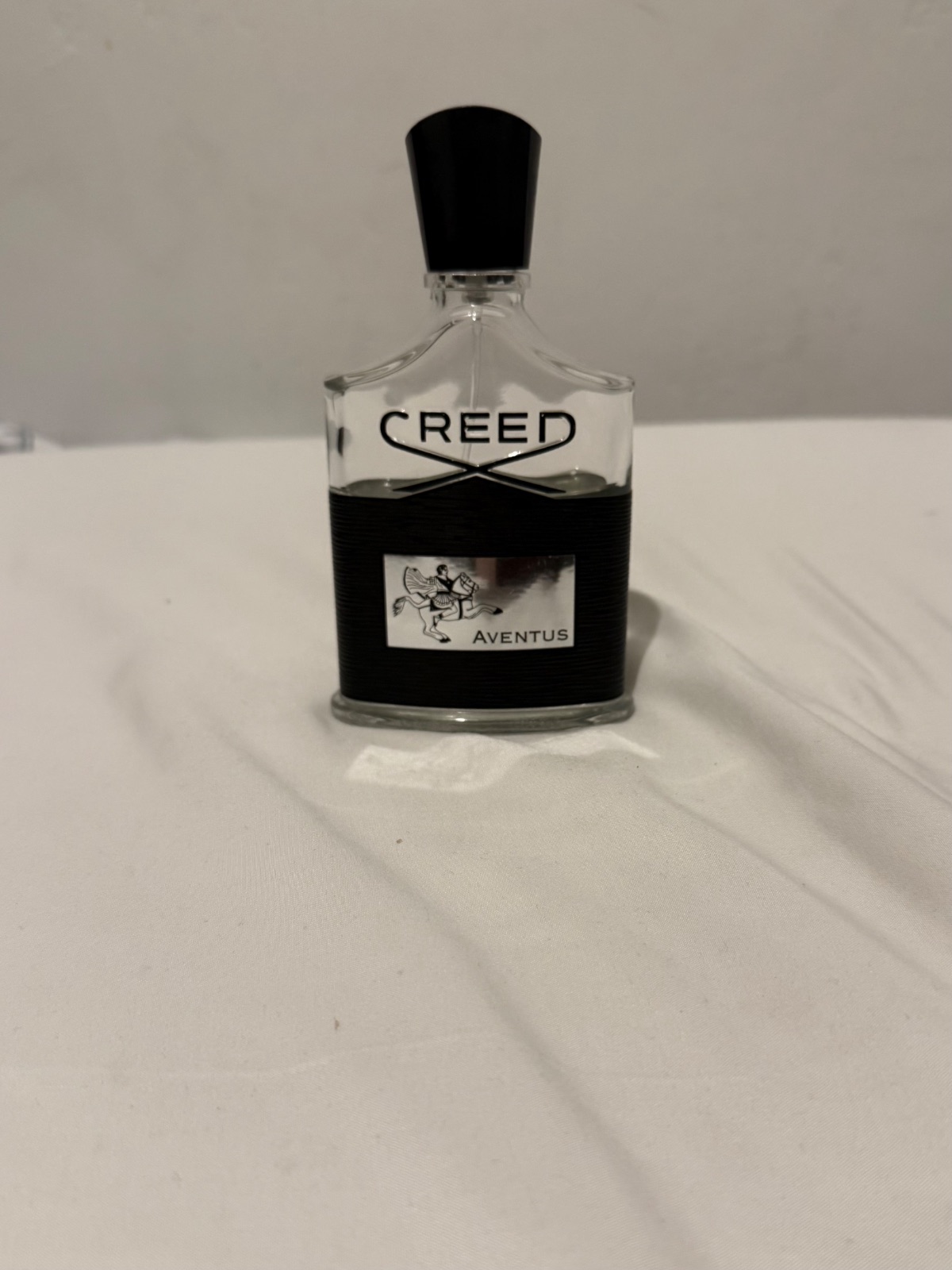
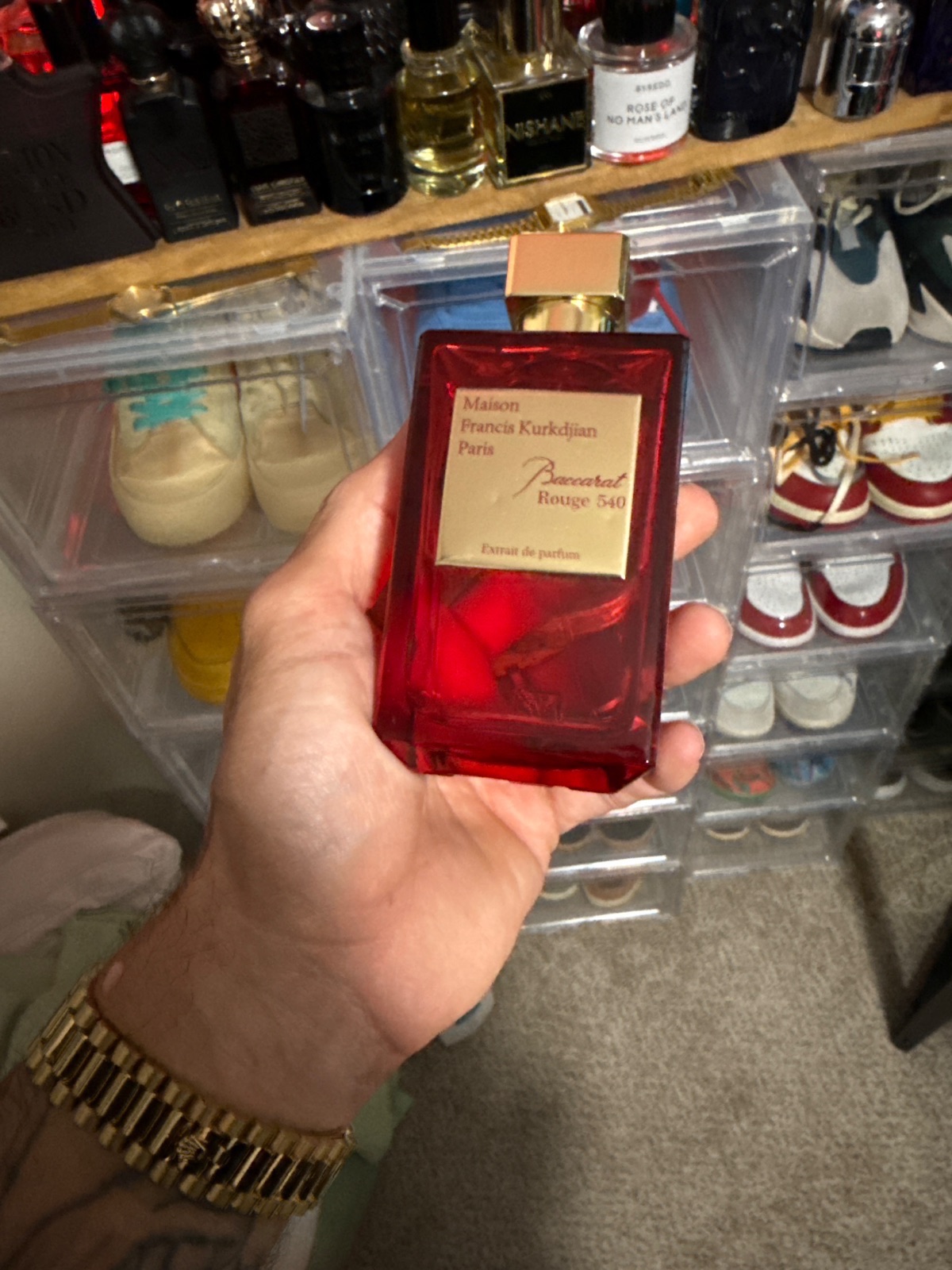
Check the engraving or printing on the bottle. Brands like Creed, Tom Ford, and Maison Francis Kurkdjian engrave or print their logos directly on the glass. The text should be clean and evenly spaced. Counterfeits often use cheap stickers or sloppy printing that rubs off with a fingernail.
Weight and Feel
Authentic bottles have weight. A 100ml bottle of Creed Aventus or MFK Baccarat Rouge 540 feels substantial in your hand because the glass is thick and the metal components are solid. Fakes use thin glass and plastic caps to save on cost. If a bottle feels hollow or light, compare it to a known authentic bottle or check the brand's specifications online.
Test the Atomizer
The atomizer is one of the hardest parts to fake well. Press the spray nozzle: it should release a fine, even mist with no sputtering or dripping. The tube inside the bottle should reach nearly to the bottom and be firmly attached to the spray mechanism. If the tube is loose, crooked, or does not reach the bottom, the bottle is suspect.
Luxury atomizers have a smooth, consistent spray action. If the nozzle sticks, leaks, or sprays unevenly, that is a sign of poor construction. Brands like Xerjoff and Parfums de Marly invest heavily in atomizer quality because collectors notice.
Smell and Performance
This is the hardest check for a new collector, but it is the most reliable once you know a fragrance. Spray the perfume on a test strip or your skin and wait. Authentic perfume opens with a burst of top notes, settles into a middle phase, and dries down over hours. Fakes often smell sharp or chemical in the opening and fade to nothing within 30 minutes.
If you own a decant or sample of the same fragrance, spray them side by side. Real perfume has depth and complexity. Fakes smell flat or one-dimensional. Pay attention to the alcohol base: authentic perfume uses high-grade alcohol that evaporates cleanly. Cheap alcohol smells harsh and lingers on the skin.
Buy from Verified Sellers
The safest way to avoid counterfeits is to buy from sellers with a track record. On Sniffy, every seller has a public Trust Score built from completed deals, and many sellers are verified. When you buy a bottle on Sniffy, the payment is held in escrow until you confirm the bottle matches the listing. If something is wrong, you open a dispute and the money stays frozen until it is resolved. Sellers can record a packing video and buyers can record an unboxing video, which settles most authenticity questions immediately.
Ask the seller for photos of the batch code, the bottom of the bottle, and the inside of the box before you commit. A legitimate seller will provide them without hesitation. If a seller refuses or gets defensive, move on.
Check the Price
If a deal looks too good to be true, it probably is. A 100ml bottle of Creed Aventus retails for around $400. If someone is selling it for $100 with no explanation, it is almost certainly fake. Discounts of 10-20% are normal for used or lightly used bottles, especially in a swap or on a peer-to-peer marketplace. Discounts of 50% or more are a red flag unless the bottle is clearly partial or the seller has a documented reason.
Check recent sale prices on Sniffy or other collector communities to get a sense of fair market value. A bottle of Dior Sauvage Elixir typically sells for $140-$180 depending on condition. If you see one listed for $60, ask questions.
Request Documentation
If you are buying a high-value bottle like Initio Oud for Greatness or Kilian Angels' Share, ask the seller for proof of purchase: a receipt, an order confirmation, or a photo of the original shopping bag. Authorized retailers include Sephora, Nordstrom, Neiman Marcus, and the brand's own website. If the seller bought from a grey-market site or a random eBay seller, that is a risk.
Some collectors keep a file of receipts and batch codes for every bottle they own. This makes reselling easier and gives buyers confidence. When you sell on Sniffy, including this documentation in your listing photos can help you close the deal faster and at a better price.
What to Do If You Get a Fake
If you receive a counterfeit bottle, do not use it. Contact the seller immediately and explain the issue with photos of the batch code, packaging, and bottle. If you bought on Sniffy, open a dispute through the platform. The escrow system keeps your money safe until the issue is resolved. If the seller refuses to cooperate, Sniffy's Protection Fund can cover verified cases of fraud.
If you bought outside a protected platform, file a chargeback with your credit card company or a dispute with PayPal. Report the seller to the platform where you found them. Keep all photos, messages, and documentation. The more evidence you have, the stronger your case.
Fragrances mentioned
Live on Sniffy right now
Escrow-protected listings that match this guide.
Questions people ask
How can I check a perfume batch code?
Use a free site like CheckFresh or CheckCosmetic. Enter the batch code and brand, and it will show the production date. If the code does not decode or is missing, the bottle is likely fake.
What is the easiest way to spot a fake perfume?
Check the batch code, inspect the packaging for spelling errors or blurry printing, and test the atomizer. Real bottles have consistent codes, tight packaging, and smooth spray action.
Can I return a fake perfume if I bought it on Sniffy?
Yes. Sniffy holds payment in escrow until you confirm the bottle is authentic. If it is fake, open a dispute and the money stays frozen until the issue is resolved.
Do all authentic perfumes have batch codes?
Yes. Every legitimate perfume has a batch code on the bottle and box. If the code is missing or does not match, the bottle is counterfeit.
How much should I pay for a used bottle of Creed Aventus?
A 100ml bottle of Creed Aventus retails for around $400. Used or lightly used bottles typically sell for $280-$350 depending on fill level and condition. Anything under $200 is suspicious.
Trade bottles the safe way.
Sniffy is the fragrance marketplace built for trading: escrow on every deal, insured tracked shipping, trader Trust Scores, and bottle-for-bottle trades where the only money that moves is a refundable deposit, a $5 fee and your label at cost. Free to browse, free to list.
Prefer your phone? Get the Sniffy iOS app.