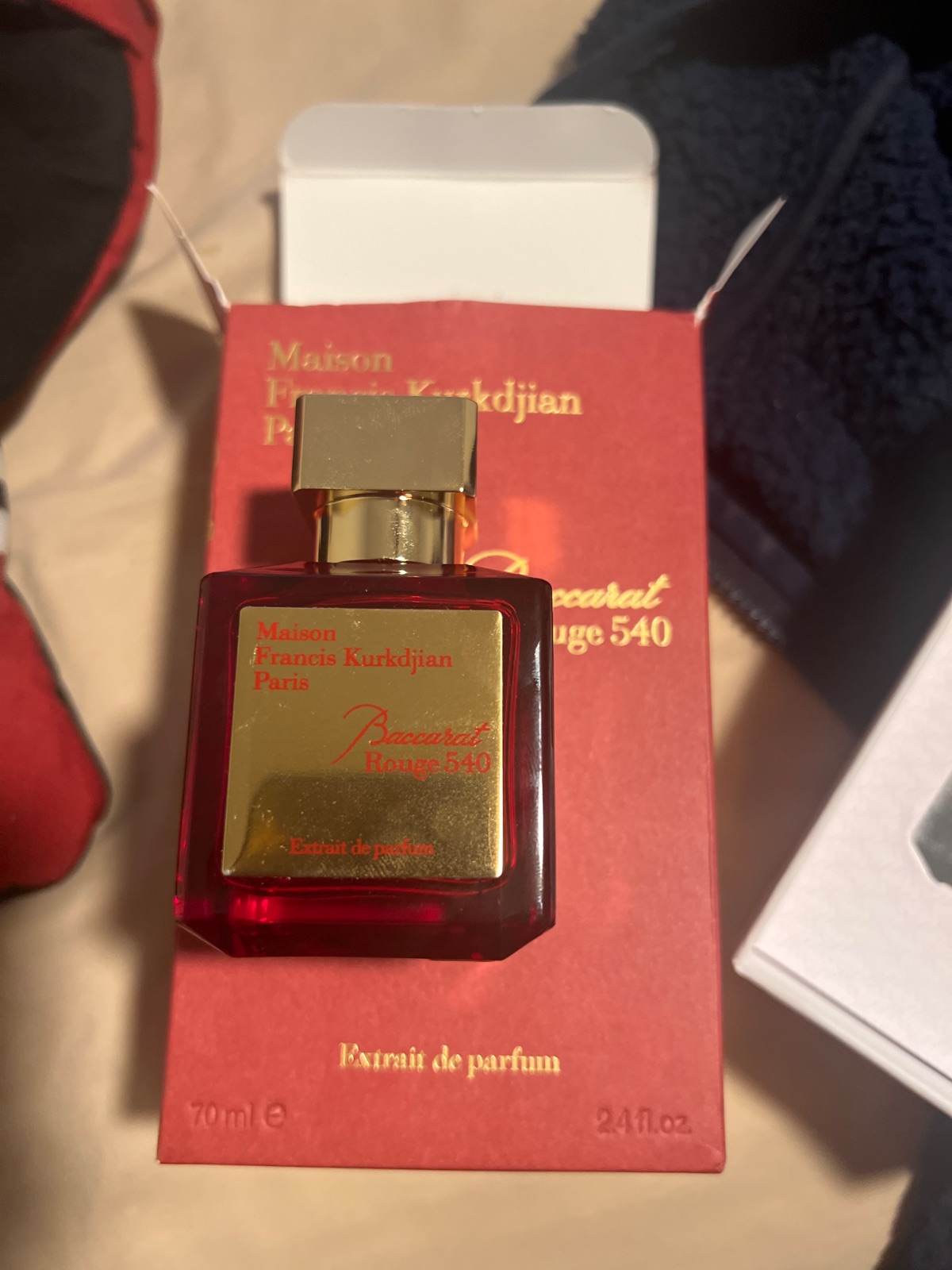
You found a bottle of Creed Aventus or Baccarat Rouge 540 at a suspiciously good price on a site you have never heard of. Is it real? Is the shop legit? Here is how to check before you buy, using the same steps collectors use to vet unfamiliar sellers.
Check Business Registration and Contact Information
Legitimate fragrance retailers publish a physical address, phone number, and business name. Look for these on the About or Contact page. If you only see a contact form or generic email, that is a red flag. Copy the business name and search your state's Secretary of State business registry to confirm the company is registered. If the address is a mailbox service or the business does not exist in public records, walk away.
Check the domain age using a WHOIS lookup tool. Scam sites are often registered within the past few months. A shop that has been around for years and has a consistent online presence is more trustworthy. Look for reviews on Google, Trustpilot, or the Better Business Bureau. A pattern of complaints about fake bottles, no refunds, or undelivered orders is a deal-breaker.
Verify Payment Security and Return Policy
Before entering your card details, confirm the checkout page uses HTTPS (look for the padlock in your browser). Legitimate shops accept major credit cards or PayPal, which offer buyer protection. If the site only accepts wire transfer, cryptocurrency, or payment apps with no dispute process, that is a scam.
Read the return policy. Real retailers allow returns within 14 to 30 days if the bottle is unopened or defective. If the policy says all sales are final or makes returns nearly impossible, you have no recourse if the bottle is fake or never arrives. Print or screenshot the policy before you order.
Check if the site lists an escrow or buyer protection program. Peer-to-peer marketplaces like Sniffy hold payment in escrow until the buyer confirms the bottle matches the listing, which protects both sides. Traditional retailers do not use escrow, but they should offer clear refund terms and customer service contact.
Spot Red Flags in Pricing and Inventory
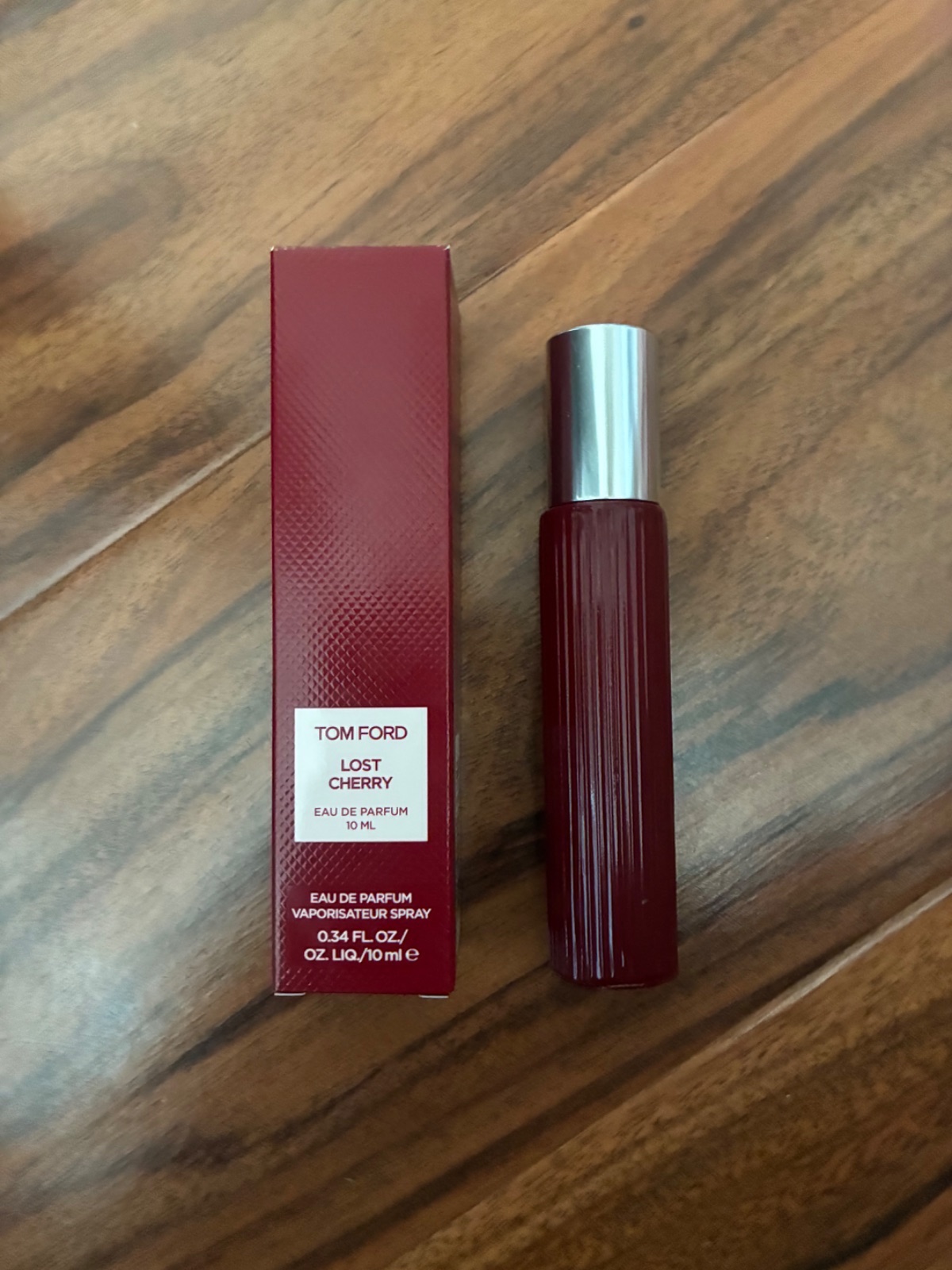
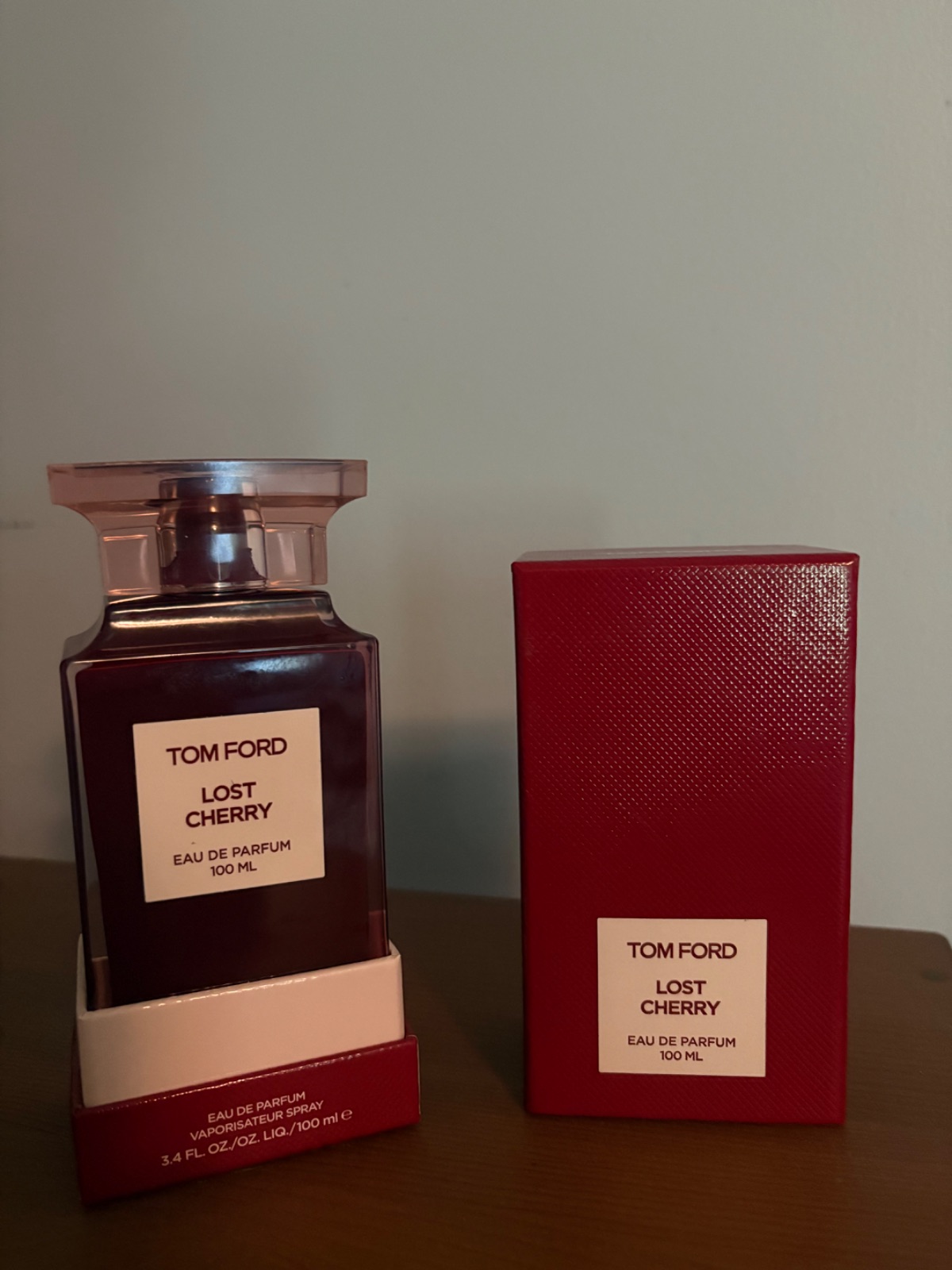
If a 100ml bottle of Tom Ford Lost Cherry is listed at $80 when it retails for $395, it is either counterfeit or stolen. Discounts of 10 to 30 percent are normal for grey-market or tester bottles, but anything deeper than that is suspicious. Compare the price to what the same bottle sells for on Sniffy, FragranceNet, or directly from the brand.
Look at the product photos. Legitimate sellers use clear images of the actual bottle, box, and batch code. Stock photos copied from the brand's website or blurry pictures are red flags. If the listing does not show the batch code or cellophane wrap, ask for a photo before you buy. Real sellers have nothing to hide.
Check if the shop claims to have unlimited stock of hard-to-find fragrances. If a discontinued scent or limited release is always in stock at a deep discount, it is likely fake. Authentic bottles of rare fragrances sell out quickly and command high prices on the secondary market.
Test Customer Service Before You Order
Send the shop a question by email or chat before you place an order. Ask about batch codes, shipping insurance, or return instructions. A legitimate business replies within 24 to 48 hours with specific answers. If you get a generic response, broken English, or no reply at all, do not order.
Search for the shop's name plus the word "scam" or "fake" in Google. Read what other buyers have experienced. If multiple people report receiving counterfeit bottles, delayed shipping, or no response to refund requests, trust their experience.
Look for third-party verification. Some fragrance retailers are authorized dealers listed on the brand's official website. Others are members of the Fragrance Foundation or similar trade groups. If the shop claims to be authorized, verify it directly with the brand.
How to Buy Safely When You Cannot Verify the Shop
If you decide to take a chance on an unverified shop, use a credit card instead of a debit card. Credit cards offer chargeback protection if the seller does not deliver or ships a fake. Document everything: save screenshots of the listing, confirmation email, and any communication with the seller.
When the package arrives, record an unboxing video before you open it. Check the bottle against photos of authentic examples: compare the cap, atomizer, label font, batch code format, and box quality. Spray a small amount and compare the scent to a sample from a trusted source. If anything is off, file a dispute immediately.
For high-value bottles, consider buying from a peer-to-peer marketplace with built-in protections. On Sniffy, every cash sale is escrow-protected and sellers have a public Trust Score built from completed deals. You can also swap bottles directly with other collectors, where both sides ship at the same time and confirm receipt before deposits are returned.
What to Do If You Receive a Fake Bottle
If the bottle you receive is counterfeit, contact the seller immediately and request a full refund. If they refuse or do not respond, file a chargeback with your credit card company. Provide photos of the fake bottle, the listing, and any communication with the seller. Most card issuers will reverse the charge if you can prove the product is not as described.
Report the shop to the Better Business Bureau, your state's Attorney General, and the Federal Trade Commission. If the site is still active, post a detailed review on Trustpilot or Google to warn other buyers. Do not try to resell the fake bottle, even if you disclose it as counterfeit—that is illegal in most states.
For future purchases, stick to sellers with verified track records. On Sniffy, you can filter the marketplace by verified sellers and Trust Score, and every transaction is backed by the Protection Fund if something goes wrong. The goal is to buy and sell bottles with confidence, not to gamble on unknown shops.
Fragrances mentioned
Live on Sniffy right now
Escrow-protected listings that match this guide.
Questions people ask
How can I tell if an online perfume shop is a scam?
Check for a physical address, phone number, and business registration. Search for reviews mentioning fake bottles or undelivered orders. If the site only accepts wire transfer or has prices far below retail, it is likely a scam.
What should I do if I receive a counterfeit fragrance?
Contact the seller immediately for a refund. If they refuse, file a chargeback with your credit card company and report the shop to the Better Business Bureau and FTC. Do not resell the fake bottle.
Are steep discounts on designer fragrances always a red flag?
Discounts of 10 to 30 percent are normal for grey-market or tester bottles. Anything deeper, especially on high-demand fragrances like Creed or Tom Ford, is usually counterfeit or stolen.
How does escrow protection work when buying fragrance?
Escrow holds your payment until you confirm the bottle matches the listing. On Sniffy, the buyer pays, the seller ships, and the money is released only after the buyer approves. If something is wrong, the buyer opens a dispute and the funds stay frozen.
What payment methods are safest for buying perfume online?
Use a credit card or PayPal, which offer buyer protection and chargeback rights. Avoid wire transfers, cryptocurrency, or payment apps with no dispute process—those offer no recourse if the seller scams you.
Trade bottles the safe way.
Sniffy is the fragrance marketplace built for trading: escrow on every deal, insured tracked shipping, trader Trust Scores, and bottle-for-bottle trades where the only money that moves is a refundable deposit, a $5 fee and your label at cost. Free to browse, free to list.
Prefer your phone? Get the Sniffy iOS app.