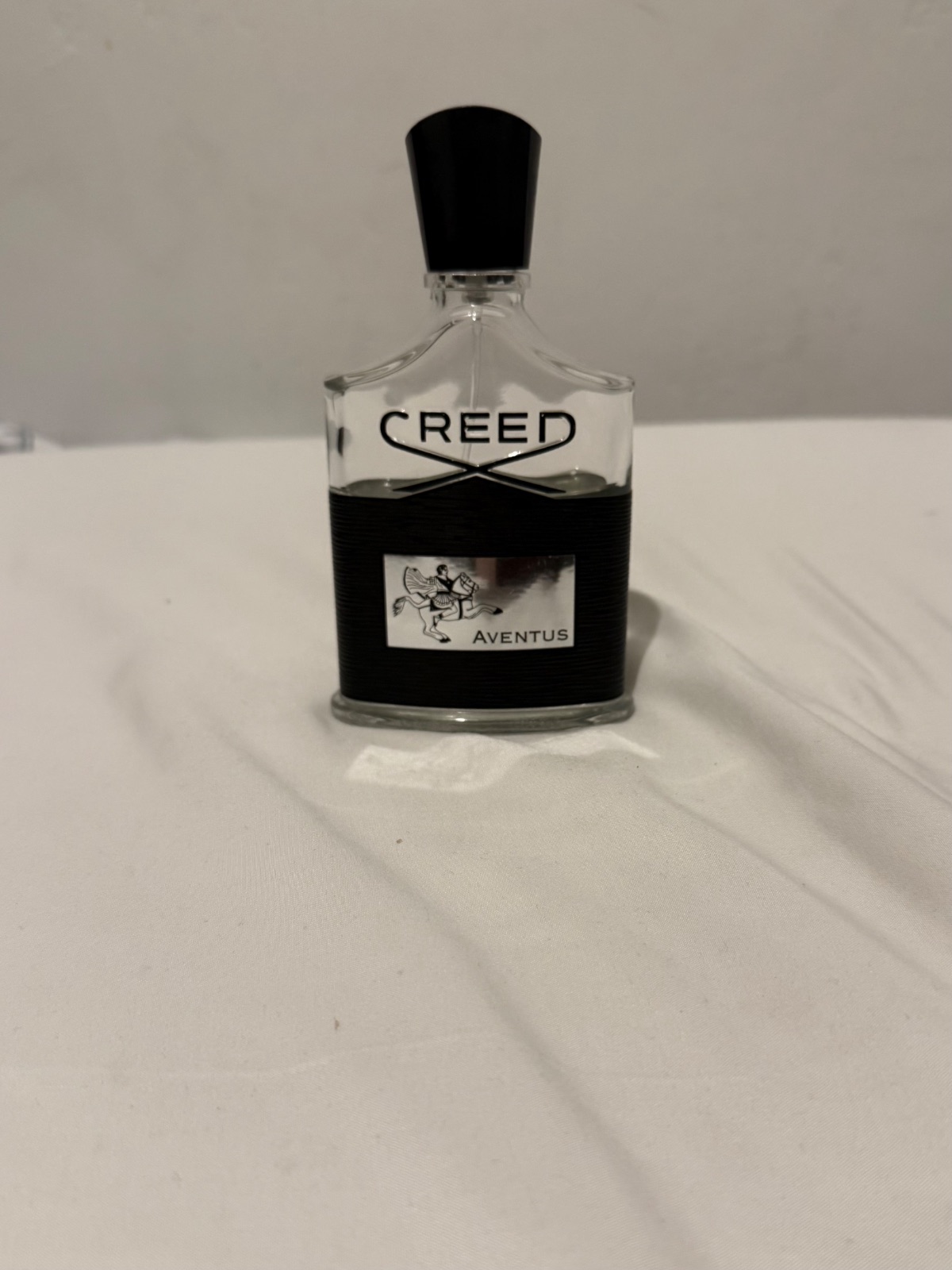
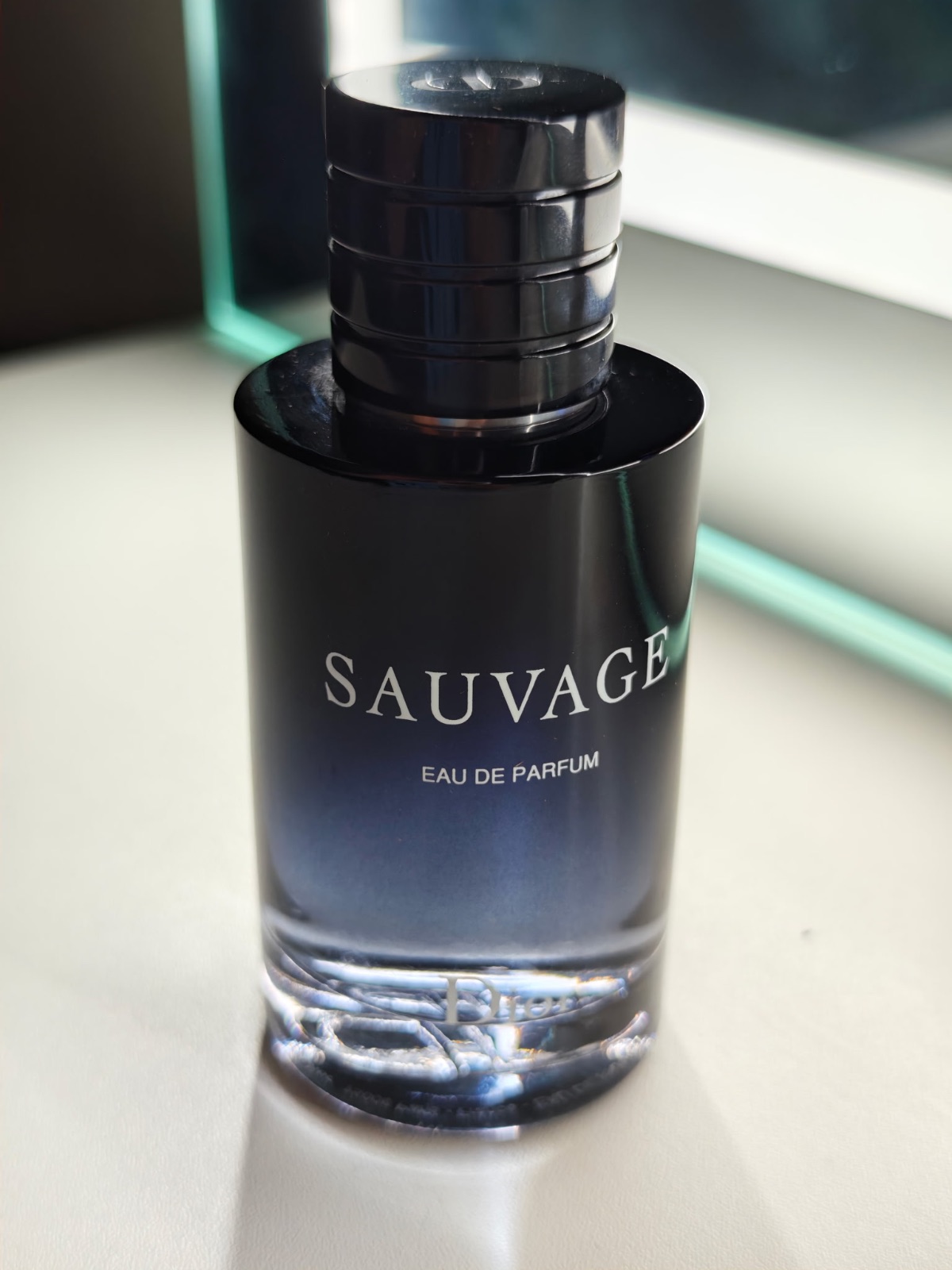
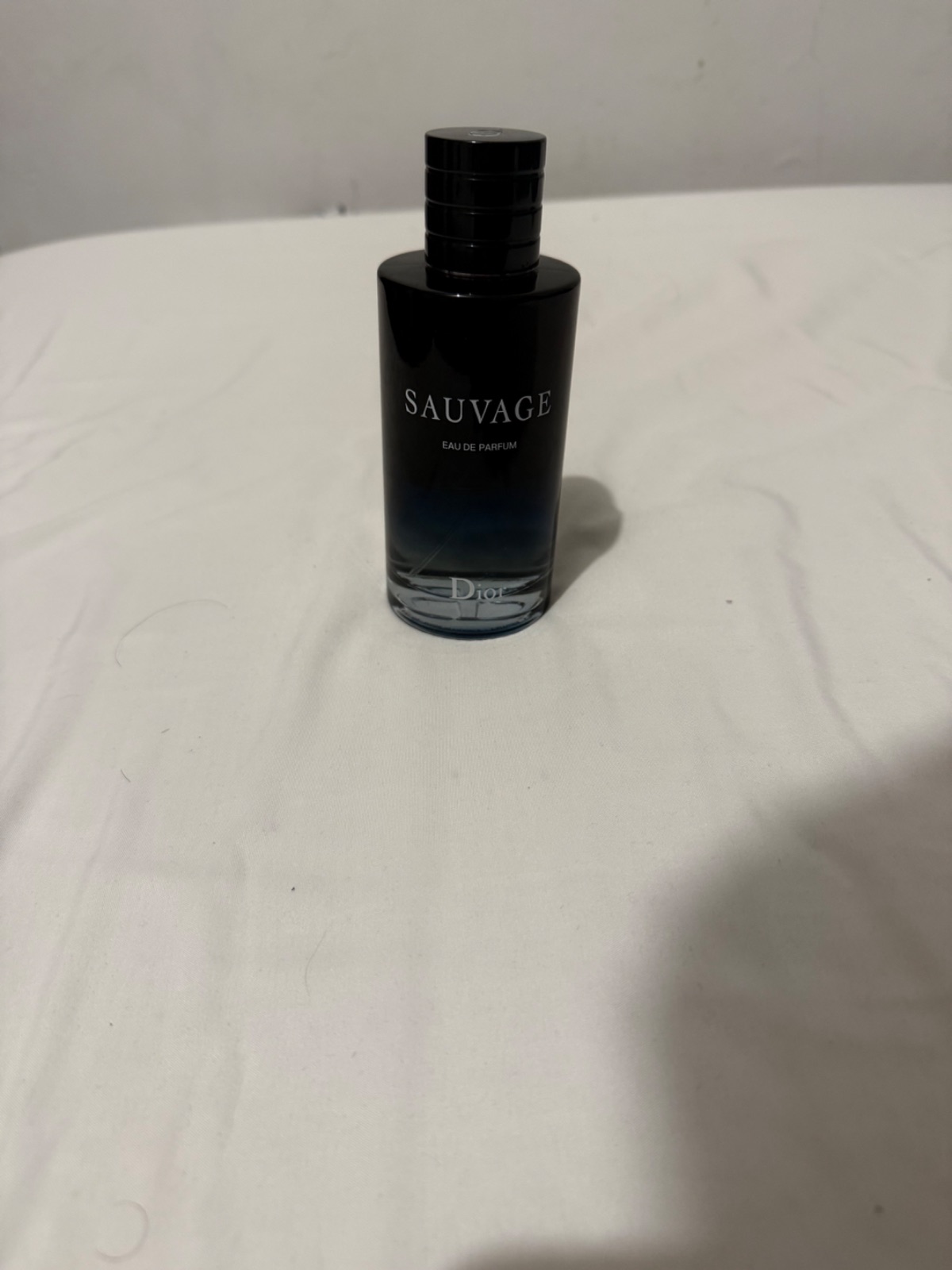
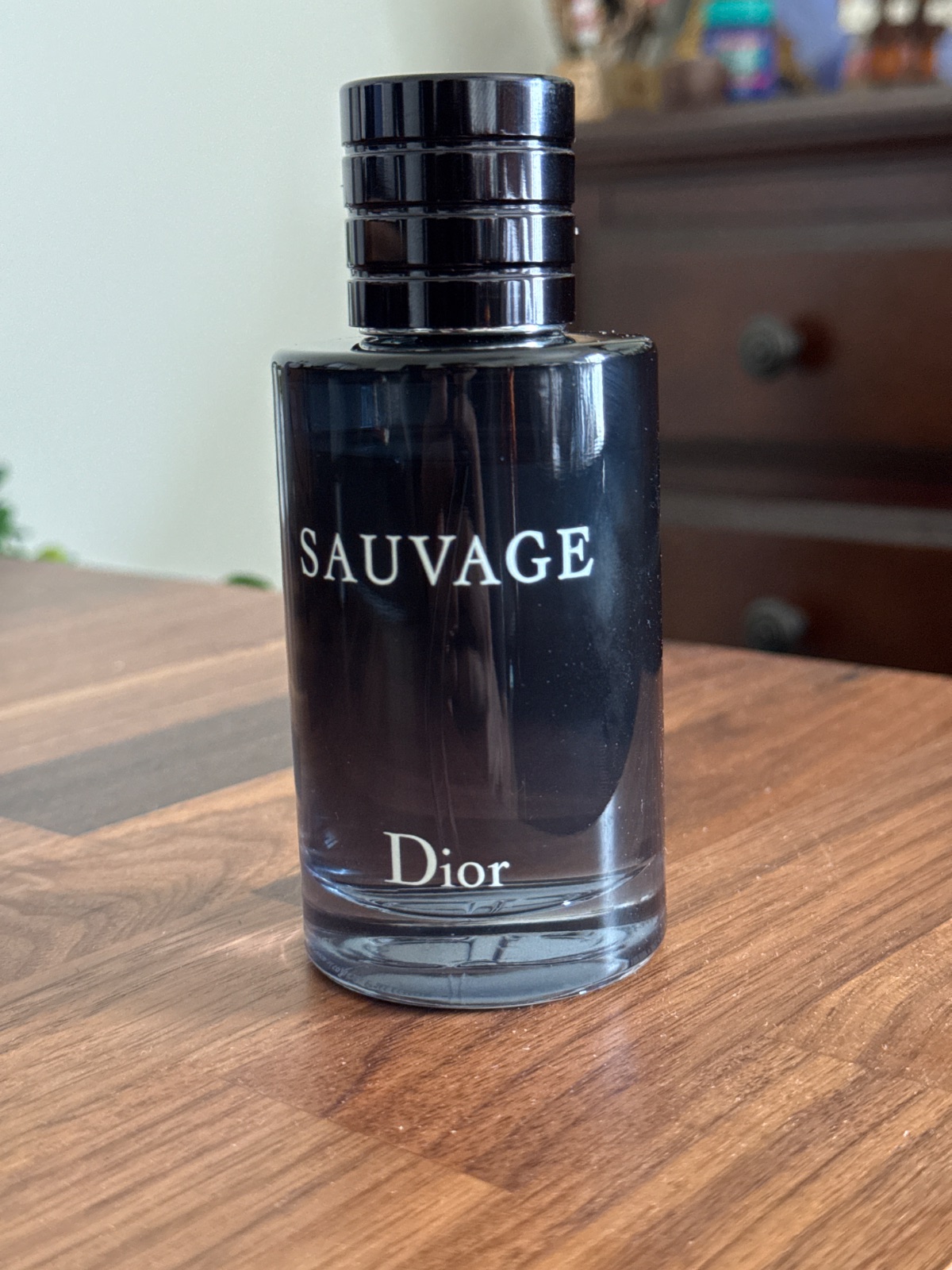
Men's perfume prices move more than most collectors expect. A bottle of Dior Sauvage that lists for $140 can drop to $85 during predictable windows, and niche releases like Creed Aventus often appear 35–50% below MSRP if you shop strategically. Understanding when and where these drops happen keeps you from paying full retail on bottles you'll wear for years.
When Men's Fragrances Drop in Price
Retail discounts follow a calendar. November and December deliver the steepest cuts as department stores clear inventory and run Black Friday through holiday promotions—expect 25–40% off designer lines like Yves Saint Laurent, Versace, and Jean Paul Gaultier. January and February bring post-holiday sales when retailers reset for spring launches, often another 20–30% on leftover stock.
July delivers mid-year clearance as brands make room for fall releases. Reformulations and packaging updates trigger immediate drops—when a house redesigns a bottle or tweaks a formula, the previous version typically sells at 20–40% off within two to four weeks. Discontinued fragrances drop fast, sometimes 50% or more, but only while remaining stock lasts.
Tester bottles and gift sets offer year-round savings. Testers contain identical fragrance but skip the decorative box and cap, priced 15–25% lower than presentation bottles. Gift sets with a 100ml bottle plus travel spray or shower gel often cost less per milliliter than buying the bottle alone, especially during October and November when sets flood shelves.
Where to Find Legitimate Discounts
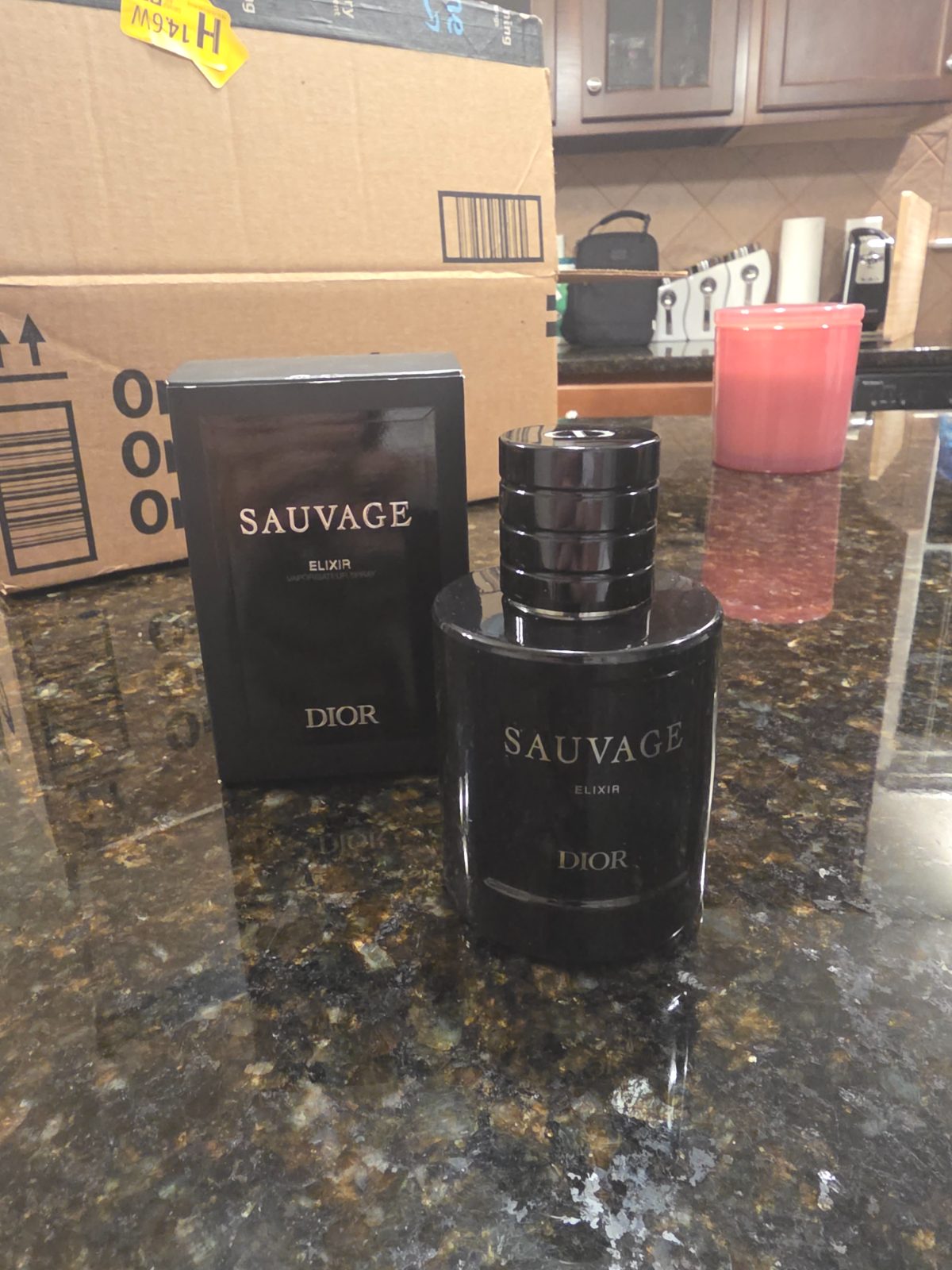
Department store sales are predictable but competitive. Nordstrom, Macy's, and Bloomingdale's run fragrance events three to four times yearly with 20–30% off select bottles, but popular releases like Bleu de Chanel and Dior Sauvage Elixir sell out in hours. Sign up for email alerts and check early morning on sale start dates.
Gray market retailers like FragranceNet and FragranceX list designer and some niche bottles below retail daily. Bottles are authentic but may carry older batch codes or come from overseas distributors. Verify the seller's return policy and check reviews. Expect 20–50% off MSRP on brands like Prada, Burberry, and Montblanc.
Peer-to-peer marketplaces like Sniffy connect you with collectors selling bottles they no longer wear, often at 30–60% below retail. You'll find lightly used or full presentation bottles from Parfums de Marly, Tom Ford, and Creed priced well under store cost. Every cash sale is escrow-protected: you pay Sniffy, the seller ships, and funds release only after you confirm the bottle matches the listing. If something is wrong, you open a dispute and the money stays frozen until resolved. Sellers pay a 10% fee only when a sale completes; listing and browsing are free.
How to Track and Verify Deals
Set price alerts on CamelCamelCamel for Amazon listings and use Honey or Keepa browser extensions to track historical prices. Check whether a "sale" is actually lower than the 90-day average—a $120 bottle marked down from $180 might still be $15 above its typical street price.
Compare per-milliliter cost across sizes. A 50ml bottle at $80 is $1.60 per ml; a 100ml at $130 is $1.30 per ml. Larger bottles almost always offer better value, but only if you'll finish them before oxidation sets in. Fragrance degrades after two to three years once opened, so a 200ml bottle you'll never finish is no bargain.
Check batch codes to verify freshness. Use CheckFresh or similar tools to decode the manufacturing date stamped on the box or bottle. Fragrance lasts three to five years unopened if stored cool and dark, but a four-year-old bottle at 50% off may have already started to turn. Avoid anything over three years old unless the price justifies the risk and you plan to wear it immediately.
Inspect seller ratings and return policies. On peer-to-peer platforms, look for verified sellers with strong transaction histories. On Sniffy, every account shows a public Trust Score built from completed deals, and sellers can record packing videos while buyers can film unboxing videos on delivery—this settles most disputes before they escalate. A Protection Fund backs transactions if something goes wrong.
Alternatives to Waiting for Sales
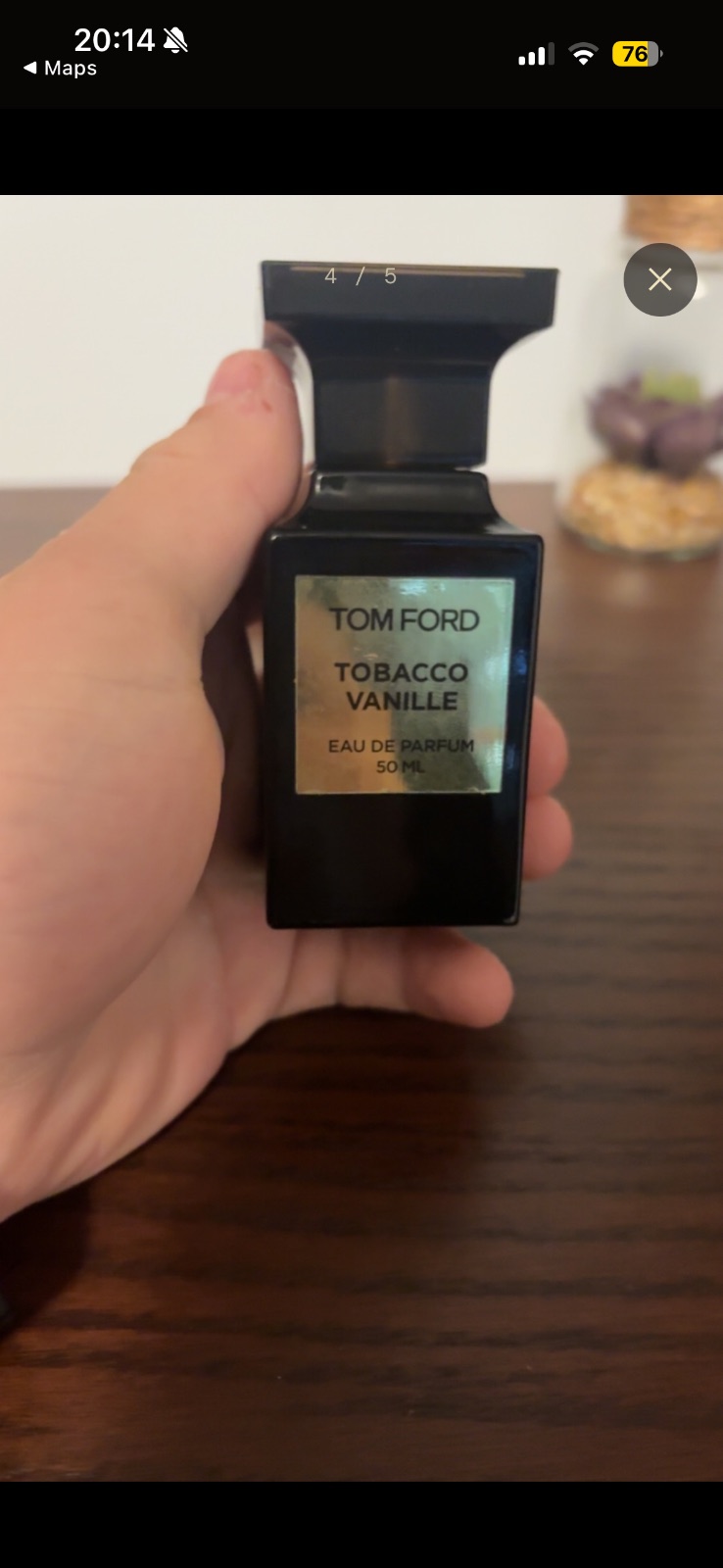
Decants let you own expensive fragrances without the full-bottle investment. A 10ml decant of Tom Ford Tobacco Vanille typically costs $25–$35 versus $250 for 50ml. You get months of wear and can test whether you'd finish a full bottle. Sniffy's decant marketplace connects you with collectors who split bottles, and the same escrow protection applies—shipping costs less in a padded mailer than a boxed bottle.
Swaps eliminate cash entirely. If you own a bottle you no longer wear, trade it for something new. On Sniffy's swap platform, both sides pay a flat $5 fee plus a prepaid insured shipping label and put down a small refundable deposit. Both ship simultaneously and deposits return when both confirm receipt. You refresh your collection without spending retail prices.
Sample sets from brands like Le Labo, Maison Francis Kurkdjian, and Initio cost $30–$60 and include several 2ml vials plus a certificate toward a full bottle. You test multiple scents and apply the set cost to your purchase if you find a favorite, turning the sample investment into a discount.
Common Pitfalls When Chasing Price Drops
Buying a fragrance you don't love just because it's cheap is the most expensive mistake. A $50 bottle you never wear costs more than a $150 bottle you finish. Always sample first, even if it means waiting an extra month for a deal. Most niche houses and many designers offer discovery sets or single samples for $5–$15.
Counterfeit bottles flood discount channels. If a Creed Aventus 100ml is listed for $90 new in box, it's fake—real Aventus rarely drops below $220 even in sales. Check the seller's history, read reviews, compare photos to known authentic bottles, and verify batch codes. Peer-to-peer platforms with escrow and verification reduce this risk significantly compared to unregulated marketplaces.
Hoarding bottles because they're on sale leads to waste. Fragrance degrades once opened, and even unopened bottles lose potency after five years in less-than-ideal storage. Buy what you'll wear in the next 18–24 months. If a deal feels too good to pass up, ask yourself whether you'd buy it at full price—if not, skip it.
Building a Strategy That Works
Create a wishlist with target prices. Decide the maximum you'll pay for each fragrance and wait for that number. Track prices for 60–90 days to learn the real range—a bottle that "never" goes on sale might drop twice a year if you're patient. Use a spreadsheet or note app to log the lowest price you've seen and set calendar reminders for known sale windows.
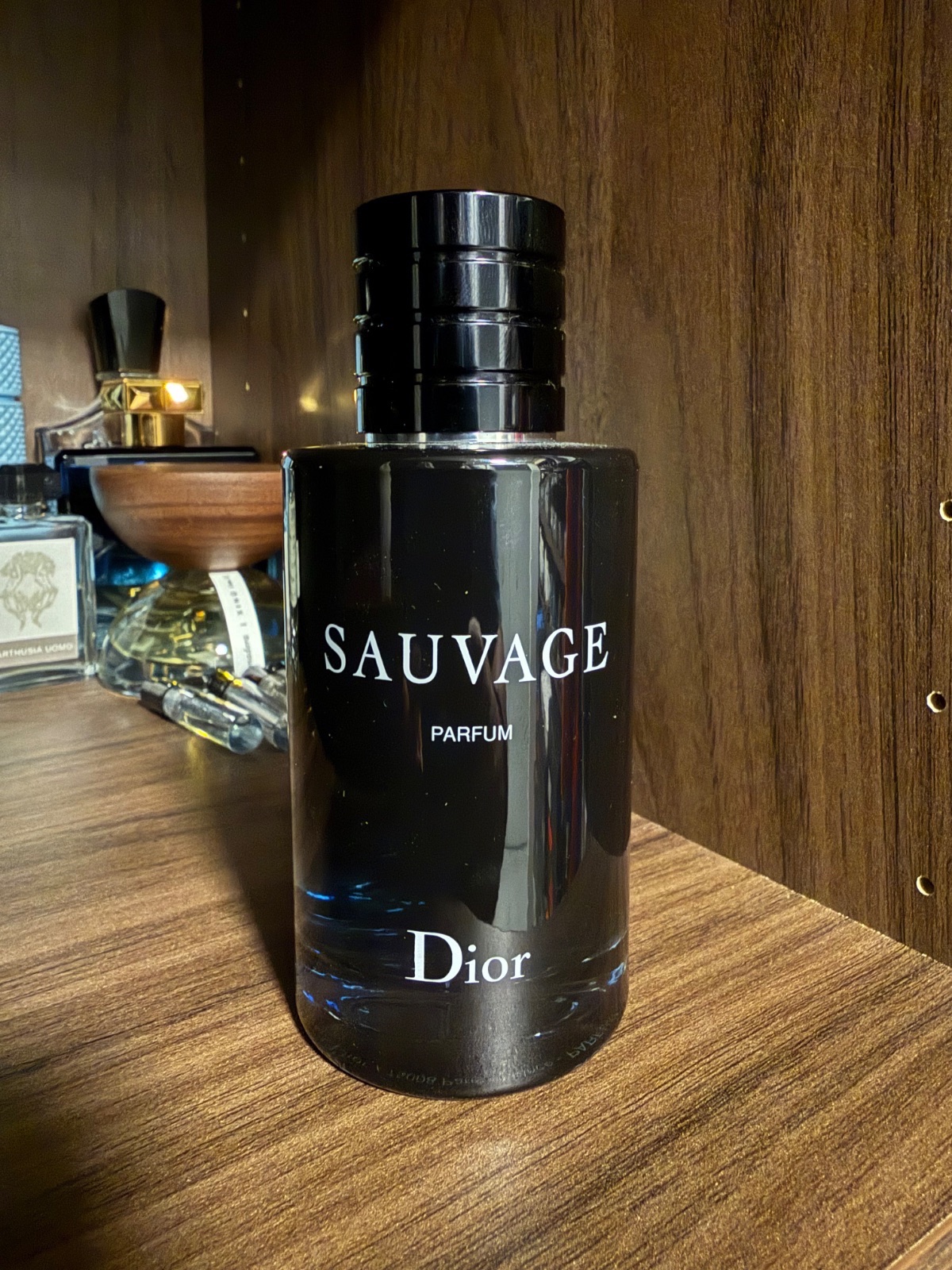
Prioritize versatile bottles over seasonal releases. A fresh aquatic like Dior Sauvage or a clean woody like Bleu de Chanel gets worn year-round, making the per-wear cost lower than a heavy winter scent you'll use three months a year. If you're choosing between two discounted bottles, pick the one that fits more occasions.
Join collector communities to learn about flash sales and private sales. Enthusiast forums and groups often share time-sensitive deals and warn about counterfeit sellers. On Sniffy, browsing the marketplace daily shows you what other collectors are listing and what prices bottles are actually moving at, not just what retailers claim they're worth.
Set a monthly or quarterly fragrance budget and stick to it. Chasing every discount turns collecting into hoarding. Decide how much you'll spend in a given period, then choose the best value within that limit. A single $150 bottle you'll wear for two years delivers more satisfaction than three $50 bottles that sit unused.
Fragrances mentioned
Live on Sniffy right now
Escrow-protected listings that match this guide.
Questions people ask
When is the best time to buy men's cologne on sale?
November through December offers the steepest discounts (25–40% off) during Black Friday and holiday sales. January and February bring post-holiday clearance, and July sees mid-year drops as retailers make room for fall releases.
How can I tell if a discounted fragrance is authentic?
Check the seller's ratings and return policy, verify the batch code using CheckFresh to confirm it's not too old, compare photos to known authentic bottles, and avoid prices that are impossibly low—real Creed Aventus rarely drops below $220 even on sale.
Are tester bottles the same as regular bottles?
Yes, tester bottles contain identical fragrance but lack the decorative outer box and sometimes the cap. They're priced 15–25% lower and are a reliable way to save on authentic juice if you don't need the presentation packaging.
What is the cheapest way to try expensive niche fragrances?
Buy decants (10ml portions typically cost $25–$35 for a $250 bottle) or official sample sets ($30–$60 for multiple 2ml vials). Both let you test before committing to a full bottle, and sample set costs often apply toward a future purchase.
How does escrow work when buying fragrance on Sniffy?
You pay Sniffy, the seller ships the bottle, and funds are released only after you confirm it matches the listing. If something is wrong, you open a dispute and the money stays frozen until the issue is resolved, protecting both buyer and seller.
Trade bottles the safe way.
Sniffy is the fragrance marketplace built for trading: escrow on every deal, insured tracked shipping, trader Trust Scores, and bottle-for-bottle trades where the only money that moves is a refundable deposit, a $5 fee and your label at cost. Free to browse, free to list.
Prefer your phone? Get the Sniffy iOS app.